-
Management
Contact à ajouterContact à ajouterContact à ajouterContact à ajouter -
Reception/Executive assistant/External instructors
Contact à ajouter -
Schooling department
Marseille site (the student administration office is open Monday to Thursday from 8:15 a.m. to 12:15 p.m. and 1:15 p.m. to 5:30 p.m., and on Fridays from 8:15 a.m. to 12:15 p.m. and 1:15 p.m. to 4:30 p.m.)
Contact à ajouterContact à ajouterContact à ajouterContact à ajouterContact à ajouterAix-en-Provence site
Contact à ajouter -
Communication
Contact à ajouter -
Audiovisual department
Contact à ajouterContact à ajouter -
Corporate/alumni relations and promotion of our courses
-
Financial department
Contact à ajouterContact à ajouter -
Technical team
Contact à ajouterContact à ajouterContact à ajouter -
Apprenticeship tax
Contact à ajouter -
IMSIC/amU Laboratory (Mediterranean Institute of Information and Communication Sciences)
Contact à ajouterContact à ajouter
Senior Lecturer, Director of EJCAM
Pauline Amiel worked as a journalist for ten years. First as a local press correspondent, then on fixed-term contract at La Dépêche du Midi, she then joined two editorial teams at Var-Matin and Nice-Matin. A freelancer for three years, she worked with several national press titles (Metronews) and magazines (Femme Actuelle), as well as specialist publications (La Terre) and regional publications (Ressources). Her reporting abroad has taken her from Madagascar to Bosnia-Herzegovina (Le Monde, Géo Ado, Femme Actuelle).
Pauline Amiel holds a PhD in Information and Communication Sciences from Paul Sabatier University in Toulouse, where she also taught at the IUT. In 2016, she spent a semester researching at the University of Washington in Seattle (U.S.A.), working with Matthew Powers on the appropriation of journalistic concepts and international media models, using the example of solutions journalism.
Her research focuses in particular on the economics of the local press, new tools for online journalists and the sociology of journalists.
Recent publications:
- With Franck Bousquet, La Presse Quotidienne Régionale, coll Repères, ed. La Découverte, 2021
- Le Journalisme de solutions, published by Presses Universitaires de Grenoble, Le journalisme en + collection, 2020

Stéphane Cabrolié is an Associate professor in Information and Communication Sciences at Aix-Marseille University.
After studying History and Sociology, he obtained a PhD in Sociology and Information and Communication Sciences at the Université Paris Ouest Nanterre La Défense. A lecturer at Université Paris Ouest and then at the Institut Français de Presse, he has been teaching at EJCAM since 2013, and is co-director of the Journalism Master's program.
A researcher at IMSIC and member of the Association "Chercheurs en journalisme des écoles reconnues" (CeJER), affiliated with the GIS "Journalisme", his work focuses on the socio-economics of media and new media, the sociology of work and organizations, and the evolution of journalistic practices and forms of information production. His most recent publications include: "Les journalistes du Parisien.fr et le dispositif technique de production de l'information", Réseaux, vol. 28, n° 160, 2010, pp. 79-100; "La double vente du journal quotidien", in François Vatin (dir.), Evaluer et valoriser. Une sociologie économique de la mesure, chapter 8, Presses Universitaires du Mirail, 2009, pp. 177-195.
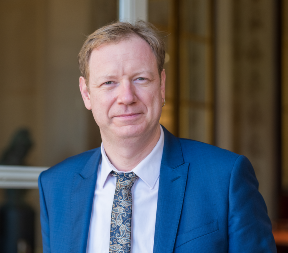
Pierre Dharréville first worked in the associative press, creating the magazine Assez zoné, before doing freelance work for various press organs (Le Journal expérimental, Témoignage Chrétien, institutional and local press). He was a political journalist at L'Humanité, and in charge of comics. He was also editor-in-chief of Pif Gadget. He is a former editor of the newspaper La Marseillaise.
Pierre Dharréville was deputy for the 13th constituency of Bouches-du-Rhône, and vice-chairman of the Social Affairs Commission, where he defended press freedom, pluralism and non-concentration. As spokesman for his group, he has had other experience of the media.
Completing a doctorate in literature, he is interested in different forms of writing, including journalism, and their relationship with politics. He has published several essays (Vive la retraite!, Plaidoyer pour les aidants, Un printemps pour la République...) and novels (L'enlumineur, S'il faut partir, En l'absence de Monsieur J. ...).
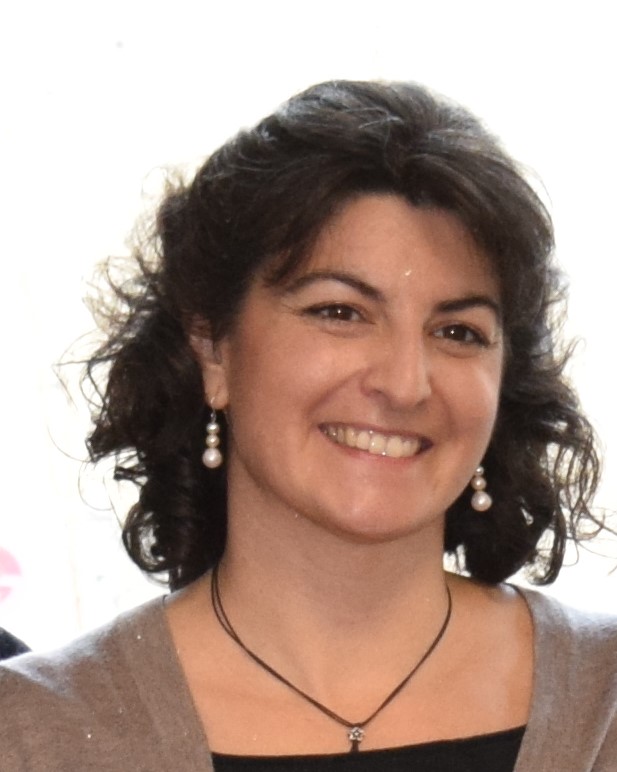
Céline Pascual Espuny is Professor of Information and Communication Sciences at Aix-Marseille University. She is currently co-director of the IMSIC research laboratory (Institut Méditerranéen des Sciences de l'Information et de la Communication) and creator and leader of the Groupe de Recherches national Communication, Environnement, Sciences et Société.
A graduate of CELSA (Paris Sorbonne), she worked as communications manager for Groupe Caisse d'Epargne. She obtained a PhD in Information and Communication Sciences in 2007 from CELSA (Paris Sorbonne University), and in 2017 an Habilitation à Diriger les Recherches in SIC from Aix-Marseille University. After teaching marketing and communication at Montpellier Business School, she joined the IUT d'Aix-Marseille as a teacher-researcher. Since September 2022, she has been in charge of the Master's degree in Organizational Communication and Sustainable Development at EJCAM.
Her teaching focuses on
- Environmental communication
- Organizational communication and communication project management
- Public communication and socially responsible communication
- CIS theories and communication law
- CIS and SHS research methodologies
Co-director and researcher at the Institut méditerranéen des Sciences de l'Information et de la Communication (IMSIC - UR 7492), she has been working on environmental and responsible communication for over twenty years. She directs the scientific collection at ISTE Communication, Environnement Sciences et Société, and is involved in numerous interdisciplinary networks, research groups and scientific projects on the environment (ICA, ECREA, IECA, IAMCR, IPBES). She is also deeply involved in professional communication networks (Association Cap Com, Communication Publique, Académie des Controverses et de la Communication Sensible). An active researcher, she publishes her work and coordinates scientific projects on environmental issues and the commons (climate change, forest fires, water, coastal protection, oceans, air).
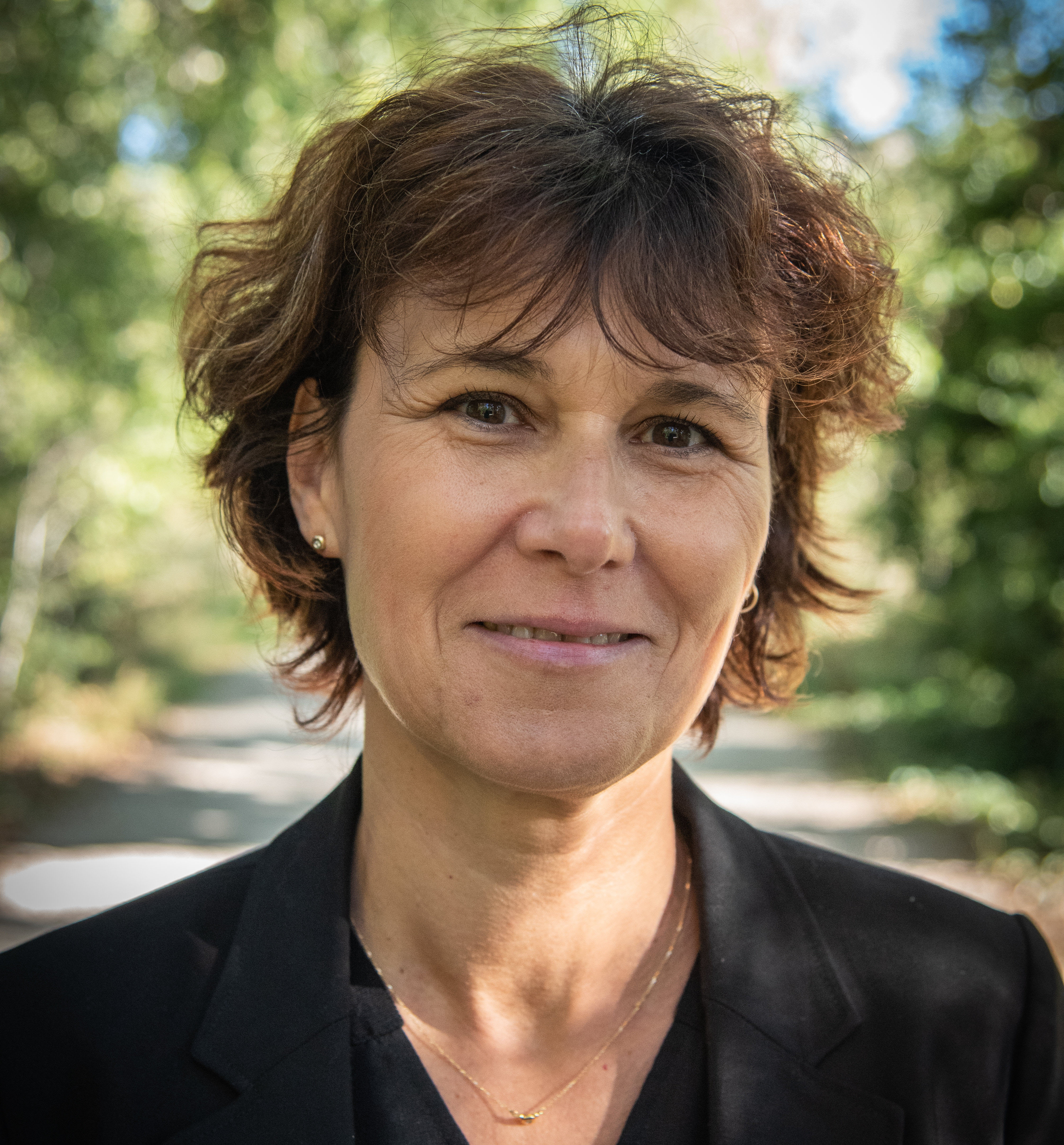
Marie-Pierre Fourquet-Courbet is Professor of Information and Communication Sciences at Aix-Marseille University.
After studying Management Sciences and gaining professional experience in marketing and communications, she obtained a DEA ((post-graduate diploma) and then a PhD in Information and Communication Sciences (ICS), with a co-direction in Social Psychology, in 2000. In 2010, she defended her Habilitation à Diriger des Recherches in ICS.
After more than 10 years as a lecturer at the University of Avignon, she joined EJCAM as a Full Professor in 2013. She is responsible for the Master degree in ICS Communication événementielle et médias numériques, Option Médias numériques (COMED option B).
Her teaching focuses on:
- Media influences and digital media
- Marketing, media and digital communication and their influences
- CIS and SHS research methodologies
- Management, HRM and the social psychology of organizations
- Self-awareness and the development of interpersonal skills
She is a researcher at the Institut méditerranéen des Sciences de l'Information et de la Communication (IMSIC - EA 7492), where she co-coordinates Team 3 "Immersions et influences numériques-médiatiques : productions-écritures, réceptions-expériences". She is a member of InCIAM (Institut sur Créativité et Innovations d'Aix-Marseille), and co-leader of the Health axis.
Her research focuses on media and digital communication, its uses, effects and influences. It is part of an interdisciplinary theoretical context (CIS as well as social cognition, social psychology and marketing research). They address 3 main themes:
(1) The reception and uses of media and digital media (e.g.: non-conscious effects of persuasive media communications (e-advertising); reception of "unusual" socio-media events and uses of social networks...)
(2) The psychological processes involved in the creation and production of persuasive digital and media communication campaigns (e.g. e-advertising designers and webdesigners, institutional entrepreneurs, designers of action communication and societal utility...).
(3) The links between screen use (smartphones, digital social networks, television...) and mental health and well-being (in general, but also in situations of confinement/health crisis).
On these themes, she publishes books and scientific articles in national and international journals and supervises theses.
Recent publications:
Fourquet-Courbet, MP, Courbet, D., 2020, Connectés et heureux. Du stress numérique au bien-être digital, Paris, Dunod.
Courbet, D., Fourquet-Courbet, M. P., Basile-Commaille, É., et al., 2022, "Media as A Source of Coping and Social, Psychological and Hedonic Well-being: A Longitudinal Qualitative Study during the COVID-19 Pandemic". Media Psychology, 1-30.
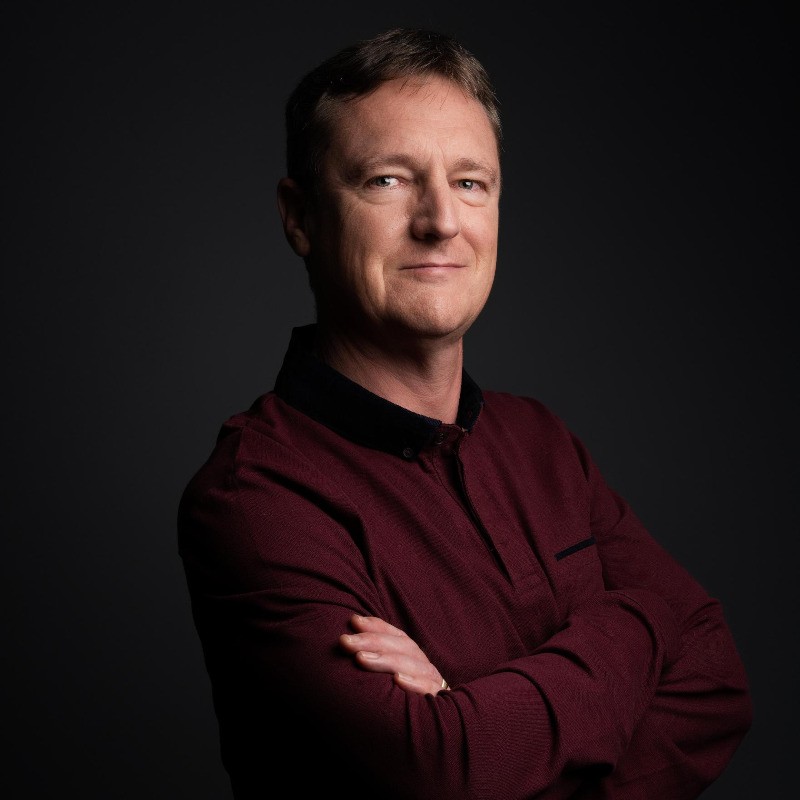
David Goldie is from Britain where he started his professional career in state education. On arriving in France, he started work in a private company, giving training for English as a tool for international communication among some of the most important industrial groups in the Provence Alpes Côte d’Azur region. In parallel to this, he joined Aix-Marseille University (AMU) as an outside lecturer for the Faculty of Science before being contracted as part of the teaching staff in a graduate engineering school. He has been a member of faculty staff at AMU since 2009 and received tenure in 2012 at the Faculty of Science where he specialised in teaching English to non-specialist students, working in particular with future professionals in the audio-visual and environment sectors. He has been a member of staff at The School of Communication and Journalism (EJCAM) since 2019.
He defended his doctoral thesis in 2015 and is a doubly qualified university lecturer, recognised by two sections within the National Council of Universities (CNU) in France (11, Anglo-Saxons Language and Literature) and (18, Architecture, Applied arts, Fine arts, Performing arts, epistemology of artistic teaching, Aesthetics, Musicology, Music, Sciences of the arts). He is a member of the LERMA (Laboratory for Studies and Research into the English-Speaking World) at AMU.
His doctorate deals with the question of cinematographic adaptations of several works of British fantasy literature. This field of research leads him to consider narratology and the transformation of stories across different media as well as the application of theory in these areas to communication studies.
He has spoken extensively in France and around Europe on these subjects, his academic publications and communications including:
“Harry Potter and the Battle of Adaptation”, Ekphrasis - Images, Cinema, Theory, Media, Vol. 21, Issue 2, December 2019
“On the Origin of Stories : la sélection naturelle par l'adaptation, ou la préservation des récits favorisés”, Le cinéma de la littérature, Editions Nouvelles Cécile Defaut, 2017 : 29-47.2017
“Harry Potter et la poétique de l'adaptation, Mélanges des Sciences Religieuses, Vol. 73. No. 2, Université Catholique de Lille, June 2016: 5-16.
“A Vision of Middle-earth: Contemporary views in Peter Jackson's Lord of the Rings trilogy.” Hither Shore 10: Tolkien Adaptations / Tolkien Adaptionen. 2014: 92 – 104.
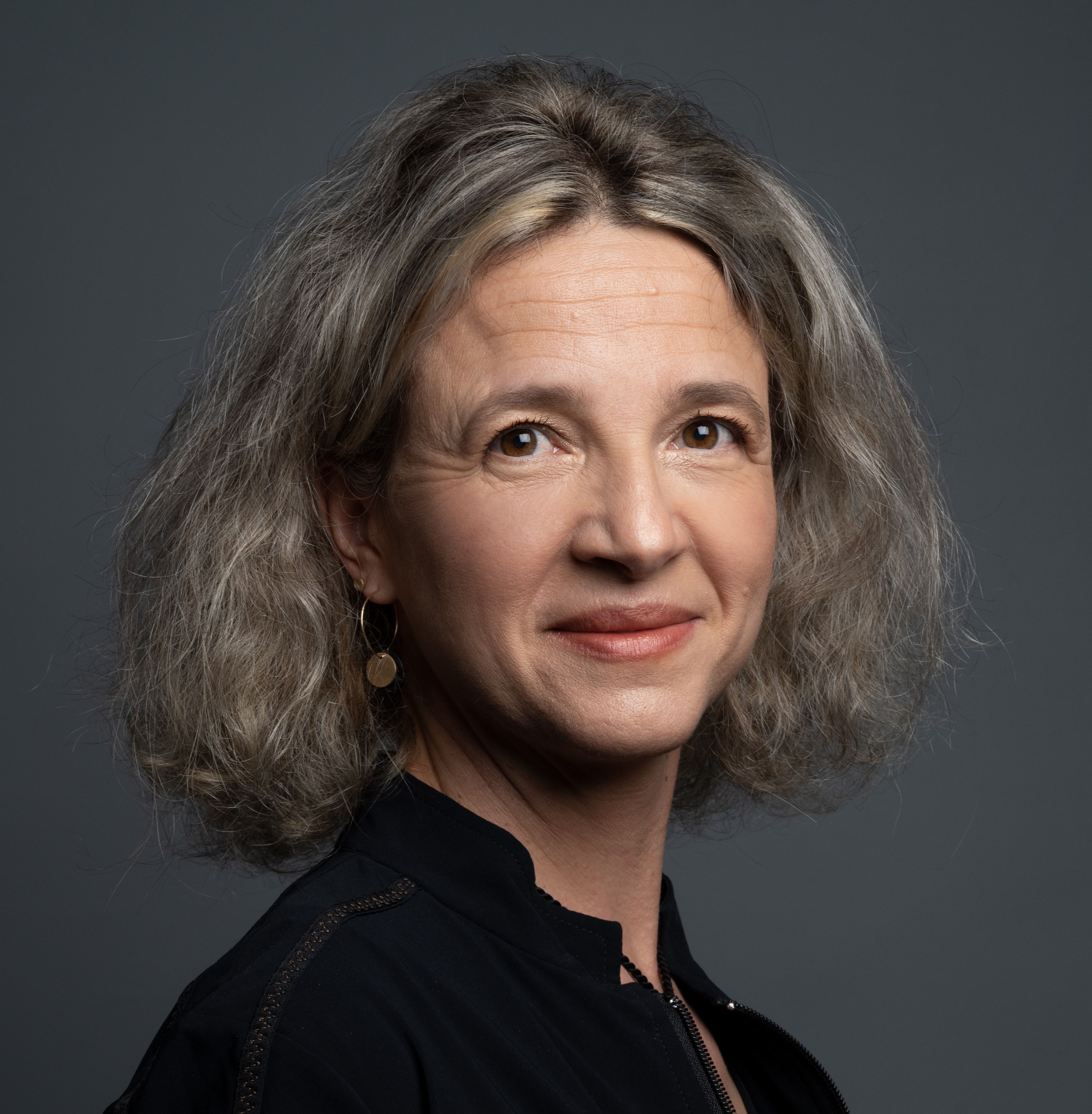
Certified English teacher and Director of studies
Following her master’s degree in Descriptive and Applied Linguistics at the University of Essex in the United Kingdom, Stephanie Goldie worked in training for International Communication for several years in both in Britain and Italy. On arriving in France, she continued this activity, specialising in business. This work included working with some of the major companies of the Provence Alpes Côte d'Azur Region, such as CEA Cadarache, Arkema and the DGAC.
Initially dividing her time between business and university, she has contributed her wide experience to the development of teaching programmes at the Ecole des Mines de St Etienne in Gardanne and Sciencespo in Aix-en-Provence. In addition to this, she has been an active member of the teaching staff in many departments within Aix-Marseille University (AMU), particularly at the Faculty of Sciences and the Polytech engineering school.
She completed her second master’s degree in education at Aix-Marseille University including her dissertation on the role of storytelling in language teaching in 2017. Since then she has worked full time at the School of Journalism and Communication (EJCAM).
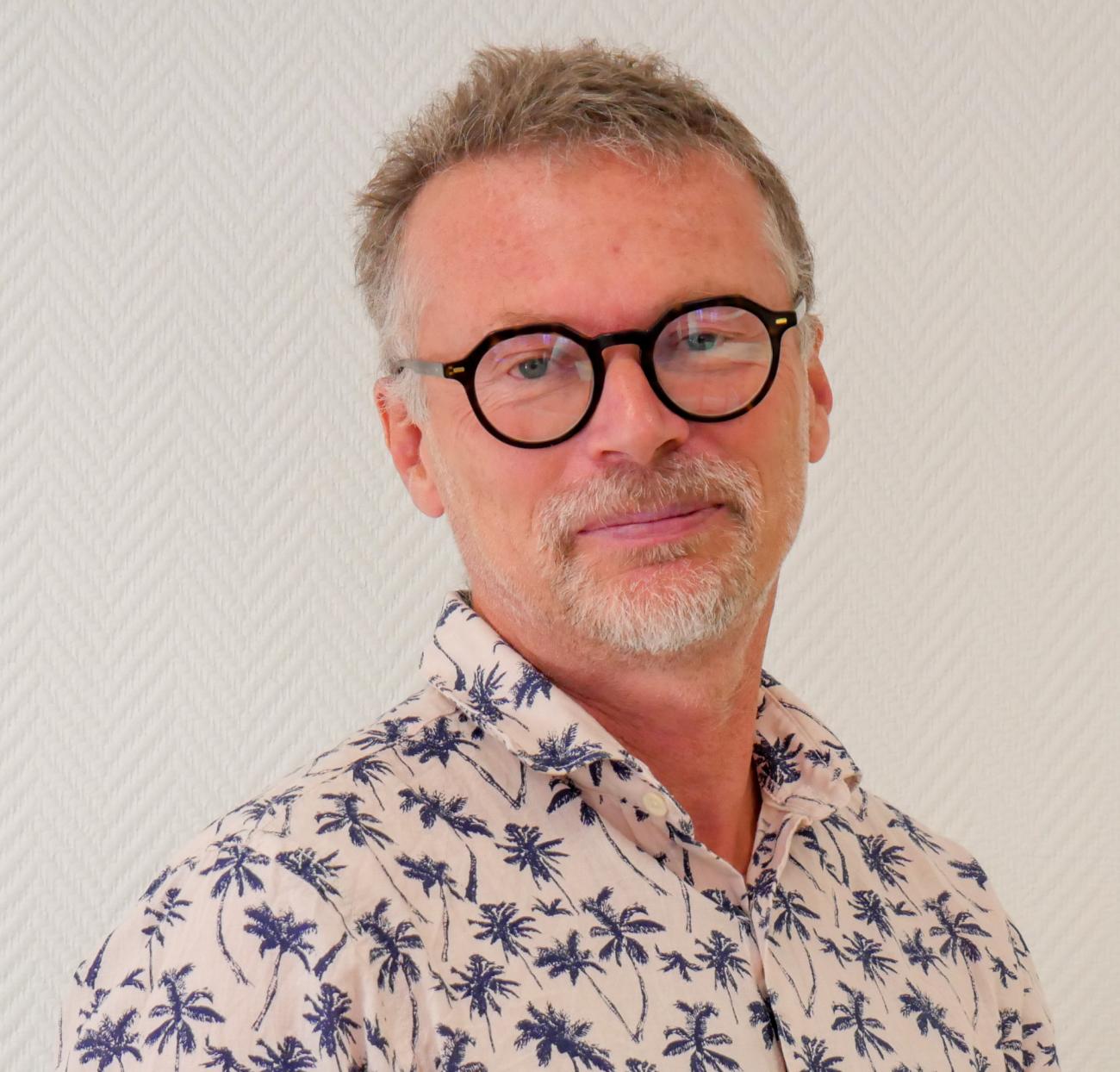
Philippe Hert 2022
Philippe Hert 2022
Senior Lecturer
Philippe Hert is an Associate professor at Aix-Marseille University and a researcher at the Centre Norbert Elias UMR8562, EHESS-CNRS-UAPV-AMU, where he is co-responsible for the "Sciences, Natures and Societies" axis. After studying engineering and gaining initial experience at France Telecom, he turned to anthropology (DEA in Anthropology) and social work (in a reception and social reintegration structure). This field experience enabled him to develop a reflection and analysis on the relationship to knowledge, which led to a doctoral thesis in the anthropology of science in 1998. He published the first existing field survey on Internet use in France. His work then focused on communication practices in the sciences, and gave rise to several funded research projects (ACI from the French Ministry of Research, ANR). Since 2008, he has been working on indigenous knowledge, conducting fieldwork in Bolivia and Brazil. His latest publications focus on the relationship with the body in scientific research.
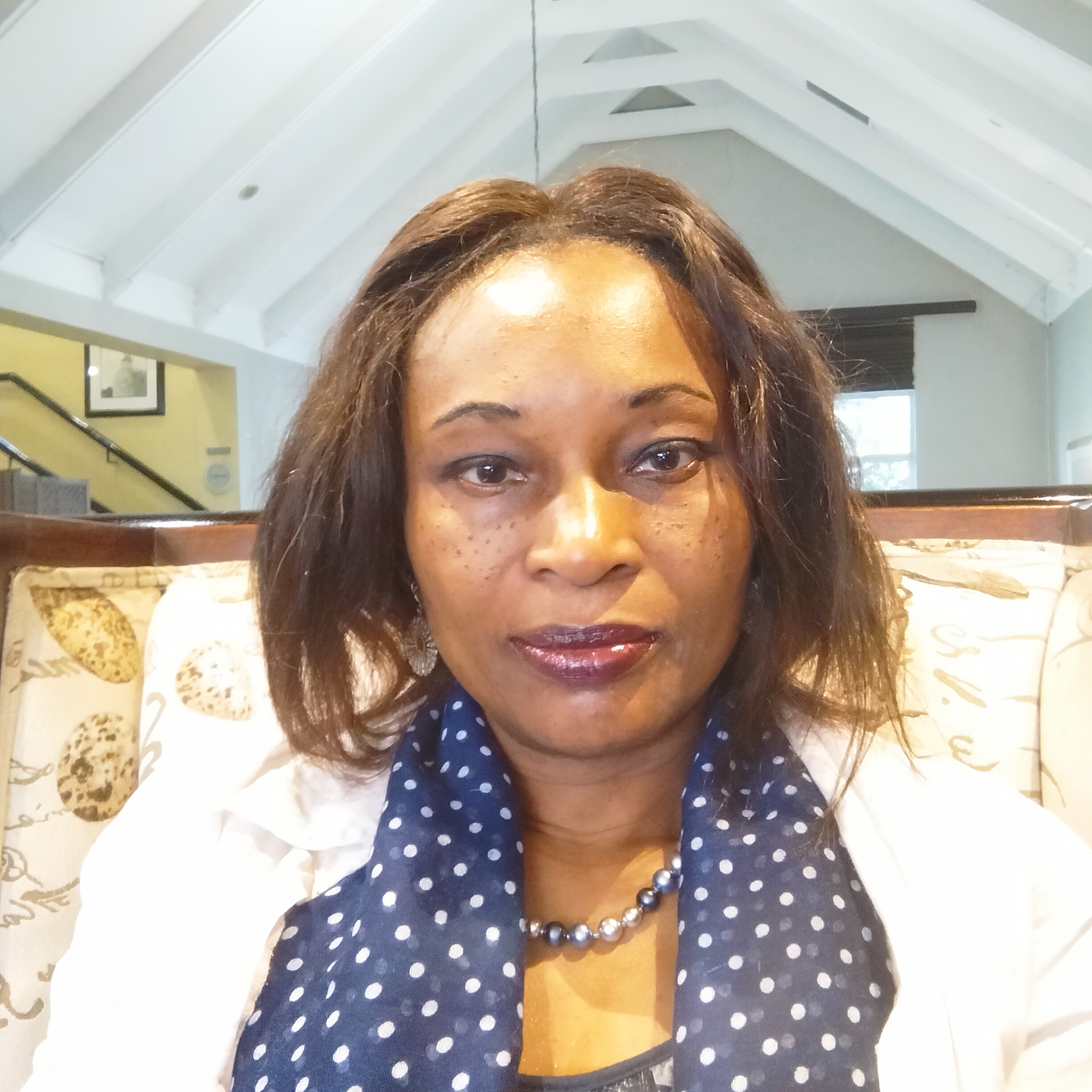
Fidelia Ibekwe is Professor of Information and Communication Sciences at Aix-Marseille University.
Holder of a B.A. (Bachelor of Arts) in Foreign Languages & Litteratures from the University of Port-Harcourt (Nigeria) and a Maîtrise (Master's degree) in Lettres Modernes from the Université Stendhal, Grenoble 3, she pursued a course of study in Information and Communication Sciences (ICS), obtaining a DEA (post-graduate diploma) and then a PhD in ICS from the Université Stendhal, Grenoble 3. She then obtained her Habilitation à Diriger des Recherches en SIC in 2010.
Before joining Aix-Marseille University's School of Journalism and Communication (EJCAM), Fidelia was a lecturer at the University of Nancy 2 (IUTA), then at the University of Lyon 3. From 2007-2009, she was Visiting Research Scholar at the College of Information Science & Technology, University of Drexel, Philadelphia (USA).
Her areas of research:
1. Racism and decolonial studies, critical race theory, algorithmic governance and bias, data colonialism
2. Data processing and visualization (terminology extraction, clustering, text mining, information visualization)
3. Uses of information and communication technologies: impact of Big Data, Open Data and Web 2.0 on science and society
4. Theoretical and epistemological foundations of the scientific method.
Fidelia Ibekwe was a member of the Commission Nationale des Universités (CNU) for the 71st from 2011-2014, and again from 2015-2019. She is an occasional reviewer for A-rank journals including the Canadian Journal of Information Science, Knowledge Organization (Ergon-Verlag), Journal of Applied Ontology (IOS Press), Pattern Recognition Letters (Elsevier), Neurocomputing (Elsevier).
She is a member of several learned societies, including SFSIC (Société Française des Sciences de l'Information et de la Communication), International Society for Knowledge Organization (ISKO) and Association for Information Science & Technology (formerly American Society for Information Science & Technology). She was President of the French Chapter of ISKO from 2009-2011 and a member of the association's executive board at international level. She was President of the European Chapter of ASIST from 2011-2012, with over 100 members from several European countries. She was elected member of the ASIST Executive Board from 2014-2017.
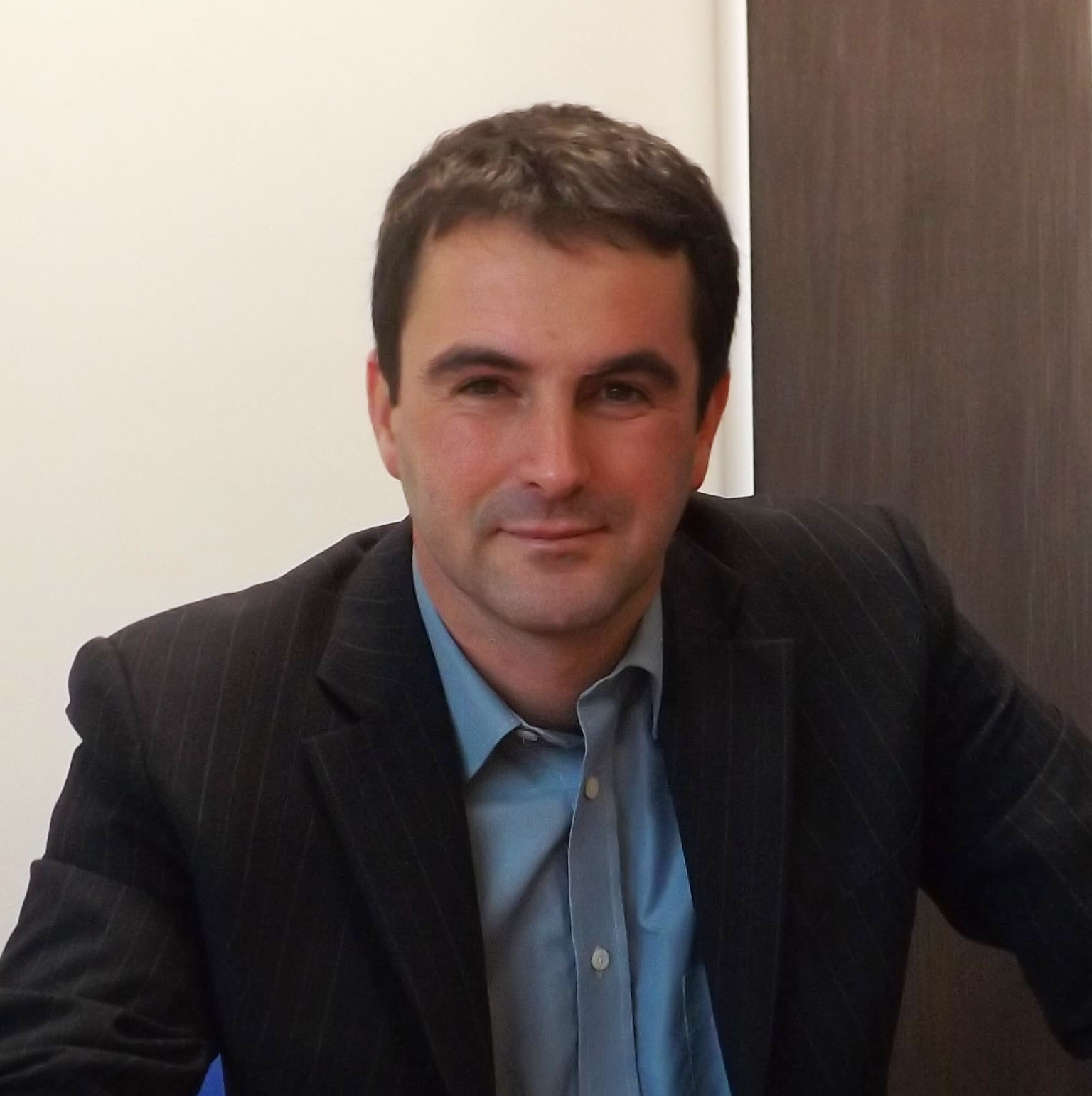
After studying philosophy and earning a PhD in Information and Communication Sciences at the University of Paris II Panthéon - Assas, Alexandre Joux was a project manager at the Prime Minister's Office for Media Development. He then joined the Forum d'Avignon as Director, supporting its development during its first four editions (2008 to 2011). He was then Director of EJCAM (2012-2022), where he is currently in charge of the master's programs in partnership with Science Po Aix and the RECICOM master's program.
His research focuses on the economics of information and cultural industries, particularly in contexts of convergence and internationalization, and on developments in journalism and disinformation. Alexandre Joux is in charge of axis 4 of the Marseille IMSIC "Mutations du journalisme et environnements médiatiques". He is also a founding member of La Revue européenne des médias, published by Université Paris 2, and sits on the editorial boards of Hermès and Les cahiers du journalisme.
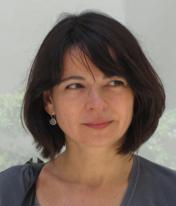
Brigitte Juanals is Professor of Information and Communication Sciences at Aix-Marseille University. She was Deputy Director of EJCAM from 2016 to 2021.
After studying Information and Communication Sciences and Psychological and Educational Sciences, she obtained a doctorate in Information and Communication Sciences (SIC) in 2001 from the Université Paris 3 Sorbonne Nouvelle. She then obtained an Habilitation à Diriger des Recherches (2008) in SIC at Université Paris Diderot-Paris 7. Before joining the School of Journalism and Communication (EJCAM) at Aix-Marseille University, she worked as a teacher-researcher at the University of Paris 3 Sorbonne Nouvelle, the University of Lille 3 and the University of Paris Nanterre.
A teacher at EJCAM since September 2015, she is responsible for the teaching of the specialization Communication des organisations en santé, social, bien-être (COSAN) in the Information-Communication Master's program.
Her teaching focuses on: Communication theories (Licence 3); Communication and media environments (Master 1); Public communication (Master 1); Communication methodology (Master 1); Organizational communication, strategies and innovation (Master 2); Dissertation methodology (Master 2).
A researcher at the Centre Norbert Elias (UMR 8562), she is scientific co-director of the " Ecologies and Care " theme. She has been a guest researcher (2018, 2019) at the UMI iGLOBE (CNRS-University of Arizona), where she is an associate researcher.
List of publications on HAL-SHS.
She conducts research, supervises HDRs and supervises theses on the following themes:
- communication and media, organizational communication, circulation of news and knowledge, digital culture ;
- environmental issues associated with health ;
- heritage reconfigurations (cultural and natural heritage).
Brigitte Juanals directs and participates in research projects (thematic calls, regional contracts, ANR, Labex). She is a member of the College of external reviewers of the European Science Foundation (ESF), a member of the editorial board of the journal Communication & Organisation, and regularly participates in reviews for A-rank journals.
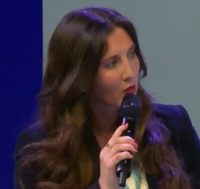
Stéphanie Lukasik is an Associate professor in Information and Communication Sciences. She holds a PhD in Information and Communication Sciences from Aix-Marseille University, and is the author of L'influence des leaders d'opinion. A model for the study of the uses and reception of socio-digital networks, prefaced by Rémy Rieffel, Full Professor at the French Press Insitute of Paris (IFP) at the University of Paris II Panthéon-Assas.
After completing a Bachelor's degree in applied modern literature and writing at La Sorbonne Paris IV, and a year's preparation for the competitive journalism exam at the Catholic University of Paris, she passed the competitive exam for the Master's degree in journalism at EJCAM. Following her professional experiences, first as a journalist (La Provence, France Télévisions) then as head of public relations, press relations and communications strategy, she continued her studies and obtained a second Master's degree from EJCAM in advanced studies in communication and media-societal and digital e-com innovations. In 2017, she won the doctoral contract competition of Aix-Marseille University's Doctoral School 356 for the Mediterranean Institute of Information and Communication Sciences (IMSIC). In 2021, she defended her doctoral thesis on the reformulation of the figure of the opinion leader through the prism of young adults' reception of socionumeric networks, under the supervision of Marc Bassoni.
She is a researcher at the Mediterranean Institute of Information and Communication Sciences (IMSIC) and an associate researcher at the University of Luxembourg. In 2024, she was elected expert to the Council of Europe on online security and the empowerment of content creators and users under the authority of the Committee of Ministers and the Steering Committee on the Media and the Information Society. Her research focuses on the functioning of social and socionumeric networks, the circulation of influence, users, content creators, influencers, news media, journalism and disinformation. She regularly publishes and communicates on these research topics in Hal.
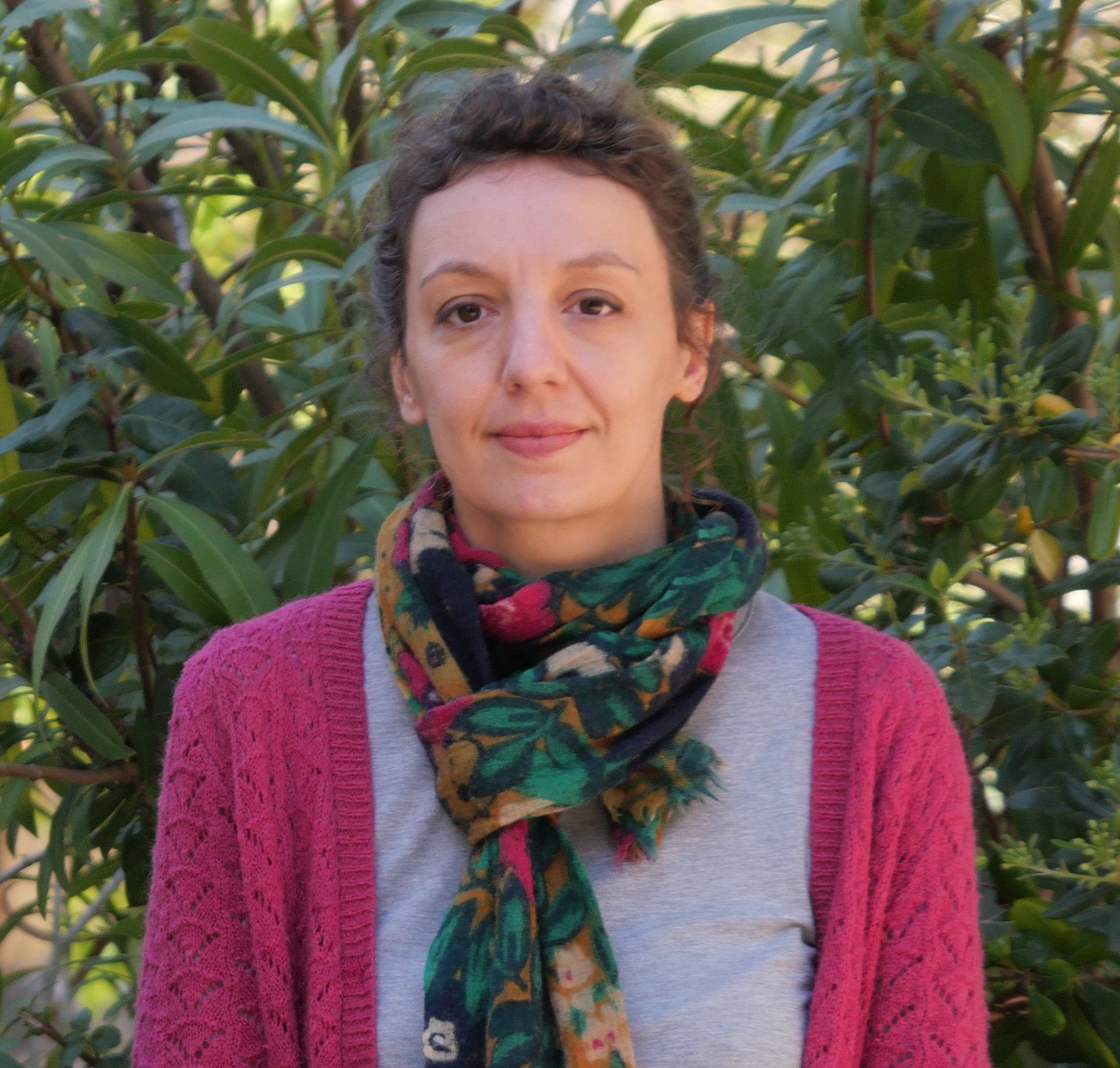
Claire Tomasella is a sociologist and an Associate professor, in Information and Communication Sciences at Aix-Marseille University. At EJCAM, she is co-head of the Master's program Information Professions.
Trained in history and literature, she holds a doctorate in social sciences, specialising in history, from the EHESS and the Marc Bloch Center in Berlin, where she spent long periods of research. Her thesis, supervised by Gérard Noiriel, focused on the ways in which directors of foreign origin participated in the film industry in France and Germany from the 1980s to the present day.
A graduate of the Sciences Po Paris School of Journalism, Claire Tomasella worked for several years as a journalist for various media and as an editor for an organisation specialising in the history of immigration.
A researcher at the Mediterranean Institute of Sciences in information and communication, and associated with the Norbert Elias Center, her research focuses on power relations in various spaces of symbolic production (cinema, journalism and literature) and on social inequalities in access to cultural practices. On the one hand, she studies the discourses that qualify and inform these inequalities, and the mechanisms that aim to reduce or compensate for them. On the other hand, she examines the paths taken by social agents who invest in these contexts of opportunity and constraint, viewed on several scales. To this end, she has launched a research project on the social and professional mobility trajectories of journalists in France.
List of courses she teaches at EJCAM :
- Sociology of Journalists (Master's degree 1)
- Sociohistory of Journalism (Master's degree 1)
- Immersive Field Practices (Master's degree 2)
- Major Contemporary Issues through the Lens of Social Sciences (Master's degree 2)
- Research Methodology in Social Sciences (Master's degree 2)
List of publications on HAL-SHS
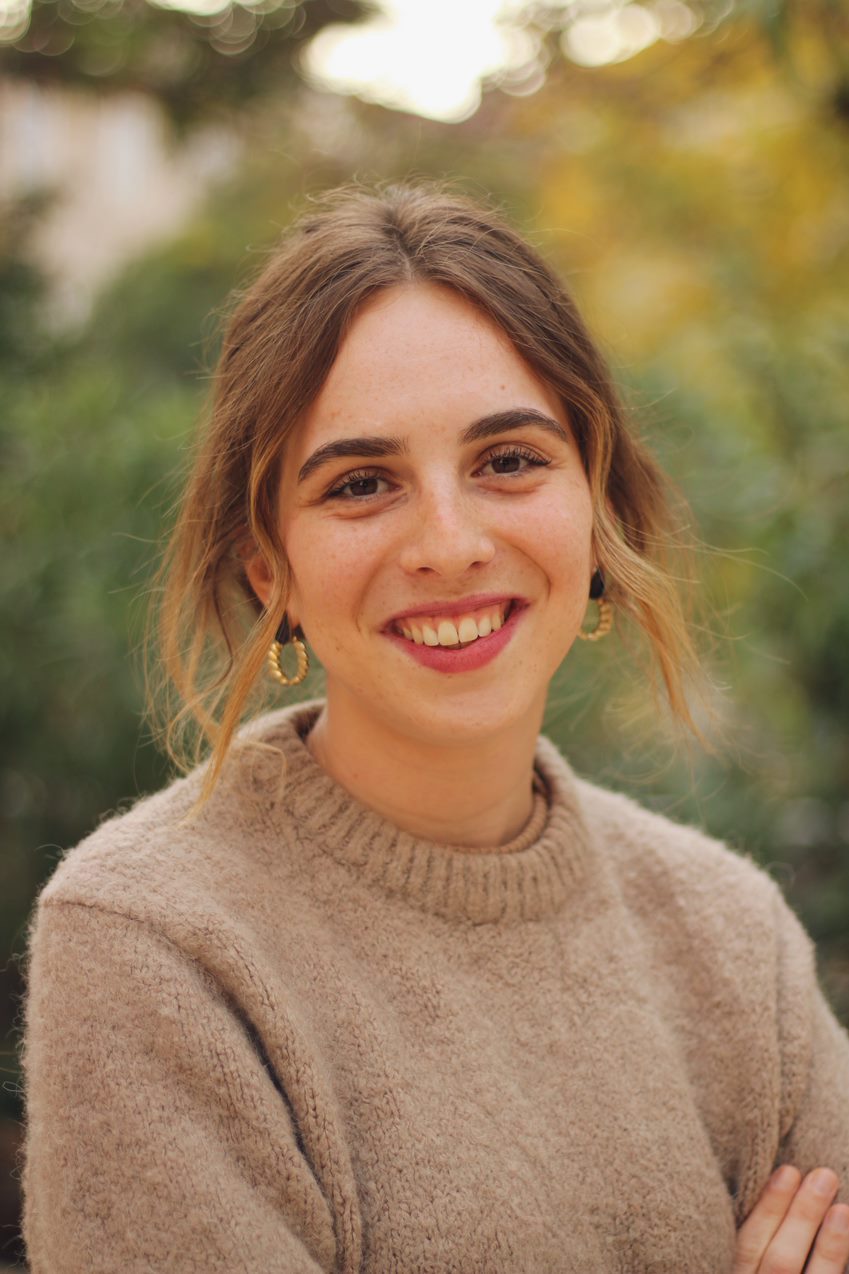
Nina Barbaroux-Pagonis is a researcher at the Mediterranean Institute of Information and Communication Sciences (IMSIC - ED 356).
Her thesis focuses on the work of journalists during the 2022 French presidential election, and more specifically on their relationship with audiences and political information in traditional news media, on Twitter (now 'X') and on Twitch. She specifically investigates how the political information mediation and the potential implications on journalists' practices and representations. This research is part of IMSIC's Research Team 4 on 'Changes in journalism and media environments: organisations, actors and audiences'.
Nina has a master’s degree in journalism and international issues, obtained at EJCAM in partnership with Sciences Po Aix.
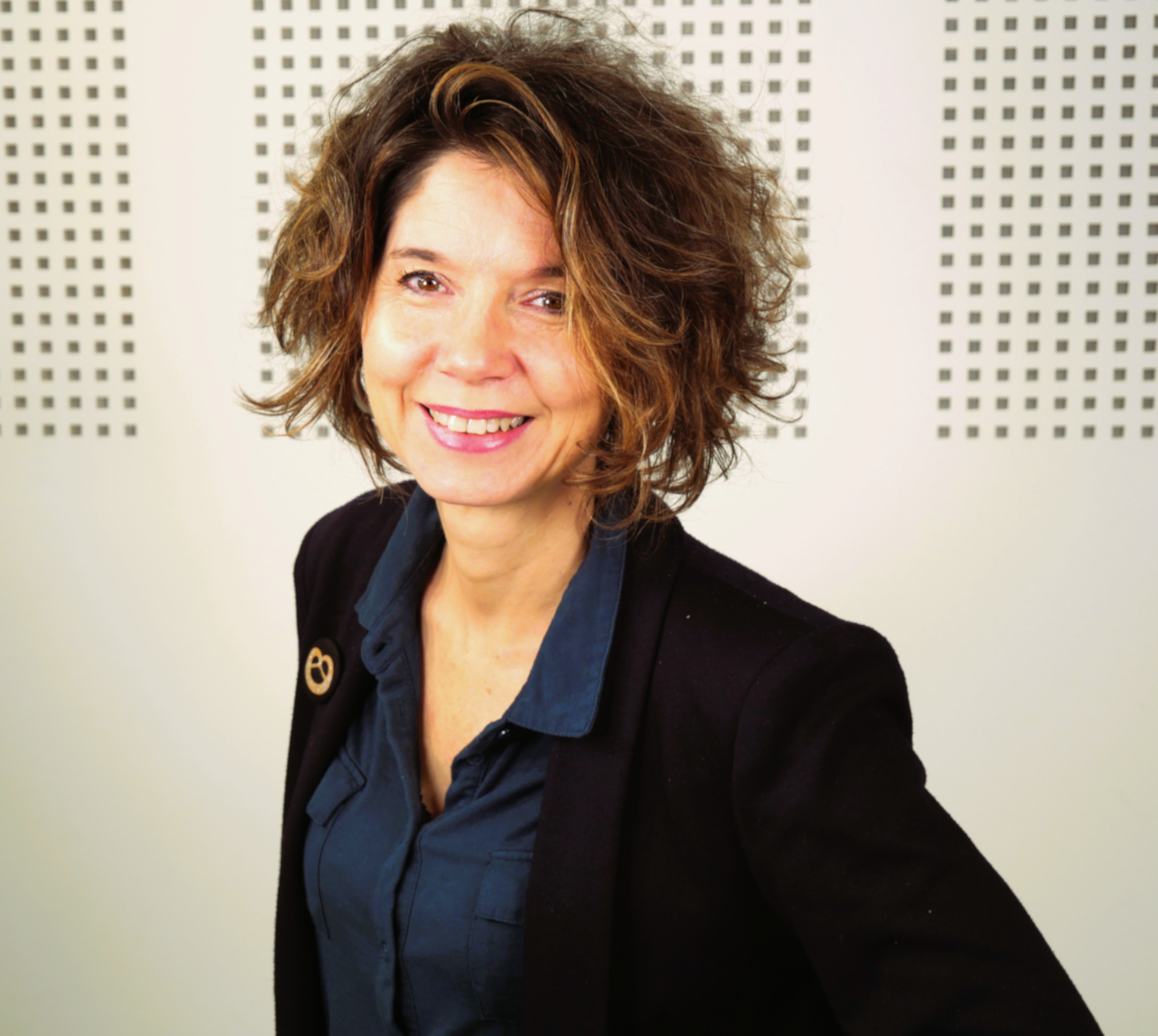
Céline Aguilera works with the EJCAM teaching staff to facilitate the transformation of teaching practices and promote student success. As a specialist in communication for projects with societal impact and participatory approaches, she has taught communication strategy (in lectures and tutorials) to third-year InfoCom students. Since September 2024, while continuing her freelance work (communication, writing, and collective intelligence), she has been leading educational innovation projects at EJCAM (active and participatory teaching, online course modules, Competency-Based Approach, and the development of new methods and tools) in collaboration with faculty members as well as other departments and services at AMU (through the DREAM U network, the “Investissement d’Avenir” program—France 2030).
EJCAM relies on a team of academics and a large number of professionals for all apprenticeships dedicated to careers in information, communication and information and communication technologies. Every year, around a hundred journalists, experts, developers, consultants (in community management, social media communication strategies, content marketing, e-reputation, branding, e-RP, SEO/SMO/SEA...), media and communication specialists, project managers and company directors work with students.
Among them:
- Numerous journalists from the national and regional daily press, magazines, French TV channels and major national radio stations: Radio France, TF1, La Provence, Marsactu, France Télévisions, Le Monde, RTL, France Bleu...
- Communication managers, agency directors or founders, who are familiar with communication issues.
- Experts in the web, new media and innovative communication will host special conferences, in partnership with IMSIC, the information and communication sciences research laboratory associated with EJCAM within Aix-Marseille University.
- And many more ... including developers, graphic designers and editors.
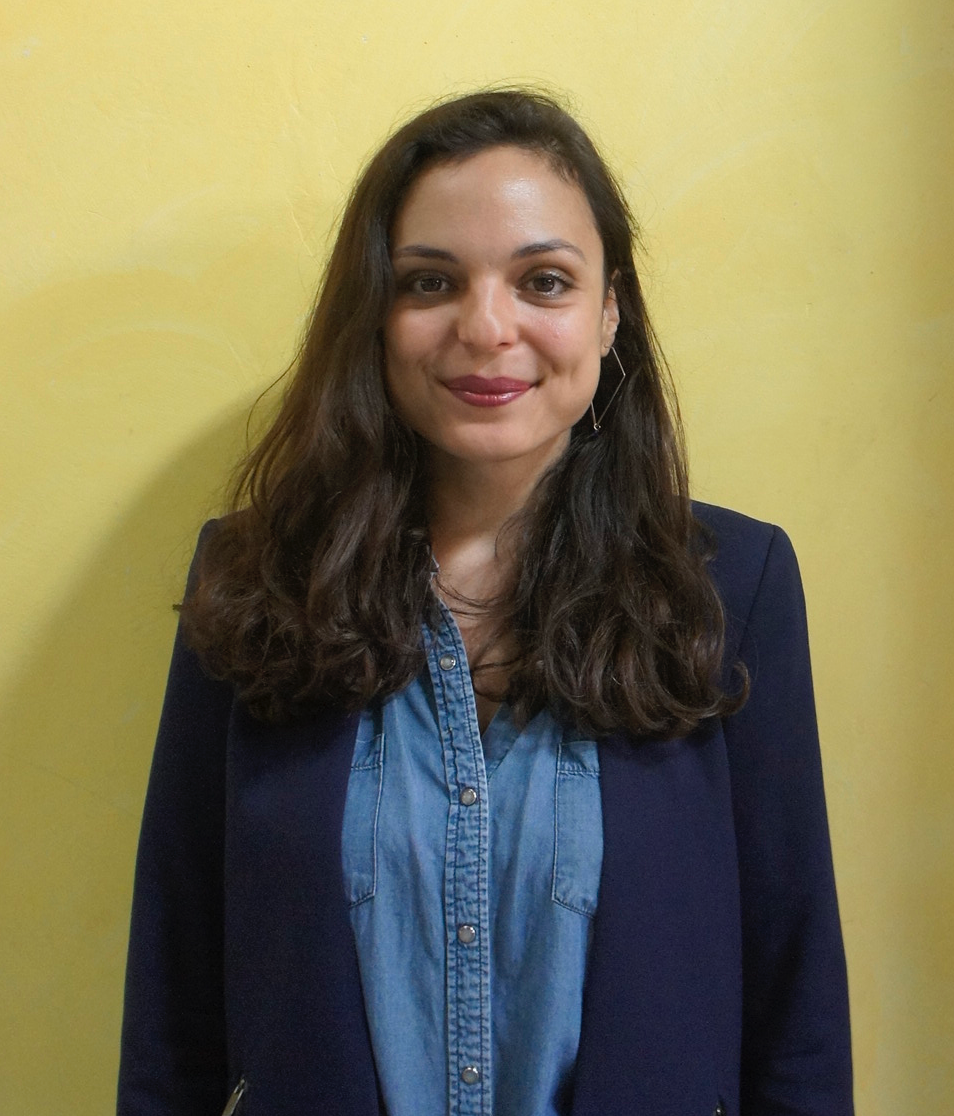
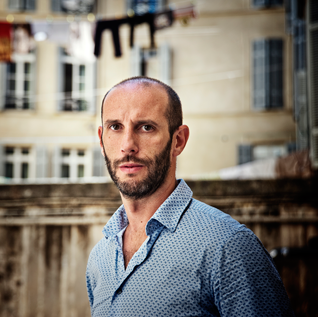
After a master's degree in information-communication, I joined RFI's music editions in Paris, where I was in charge of promoting artists and participated in several juries for musical springboards. Seven years later, I moved back to Marseille, where I work as a freelance on numérous cultural projects, as well as being in charge of communications for the PAM (PACA network of music industry players) and a part-time lecturer at EJCAM, where I teach courses in responsible communications, and this year in web communications and social media. I'm also involved in non-profit organisations such as Toit à Moi, which helps homeless people reintegrate into society, and Mix & Métisse, which works in education and cultural mediation.
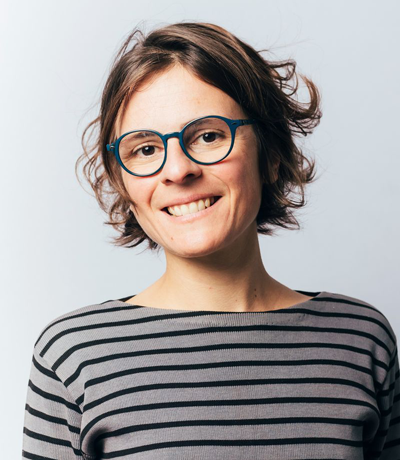
As a freelance photographer, Eugénie Baccot publishes her in-depth photo essays and editorial work in numerous media outlets (GEO, Le Monde, The Washington Post, Vanity Fair, and Newsweek Japan, among others). At the same time, she pursues a personal artistic practice, with projects presented at festivals and institutions in France and around the world. A recipient of the Canon Award from the International Women in Photo Association (IWPA), she explores contemporary issues in photography through her photographic research. Committed to sharing her knowledge, Eugénie speaks at schools, universities, and cultural institutions in France and abroad. She leads master classes, lectures, and workshops focused on photography, iconography, and reflections on the image.
Websitewww.eugeniebaccot.com
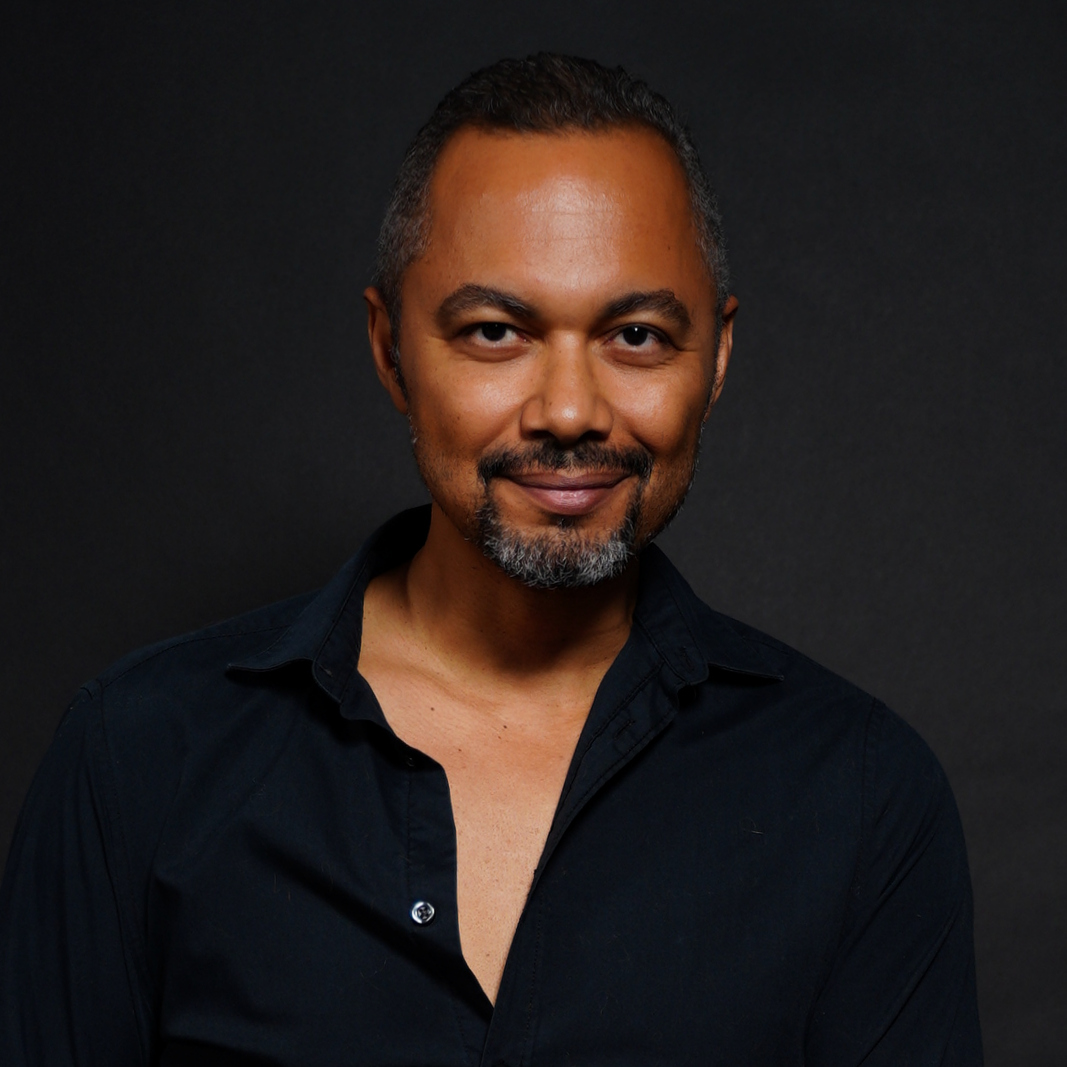
Immersed in the world of the web for almost 25 years, I'm a web designer and UX/UI designer with a rich background in graphic design, video editing and photography. Between my work in an e-commerce agency and my freelance projects, I've been a guest lecturer at EJCAM for the past 8 years, sharing the realities of digital design and guiding future communicators in their creative adventure. Because passing on knowledge means continuing to learn!
Sébastien Colson is a journalist at Le Dauphiné Libéré, responsible for Geneva, Switzerland and cross-border affairs. He has taught at the University of Aix-Marseille's School of Journalism and Communication since 2008. He is the author of three books: Yougonostalgia (Vers l'Est, 2010), Albanie, forteresse malgré elle (Nevicata, 2018), Et au milieu passe une frontière-La vie dans le Grand Genève (Slatkine 2025).
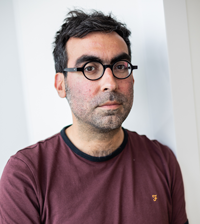
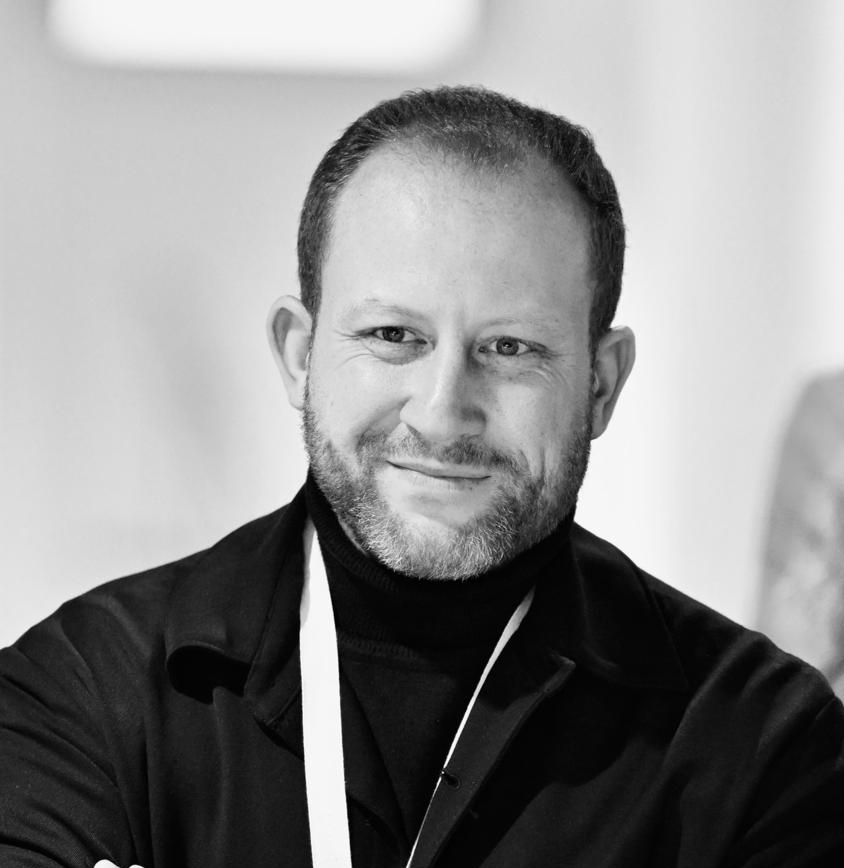
Sabri Derradji is a Communication and press relations consultant, actor and playwright. Since 2023, he has been teaching press relations at the Aix-Marseille School of Journalism and Communication.
He is currently pursuing a career in Paris as a communication and press relations manager in the French food industry. In 2023, he joined Coopération Agricole, France's leading federation of agricultural cooperatives. Previously, he was head of press relations at the Fédération nationale des syndicats d'exploitants agricoles (FNSEA).
His professional experience includes working as a journalist-reporter for France 3 Marseille and the local Corsican TV station Via Télé Paese, where he was a news presentor.
He also worked in the communication department of the Préfet des Alpes-de-Haute-Provence, as communication advisor in 2018, responsible for internal communications and press relations.
He is also a working and touring actor.
He undertook studies while he was a municipal councilor for the City of Manosque, delegate for community life from 2014 to 2020. Having completed a double Master degree in Public Communication at the Ecole de Journalisme de Marseille and Sciences-Po Aix, he holds a Master 2 in Information Management: communication, lobbying, media.
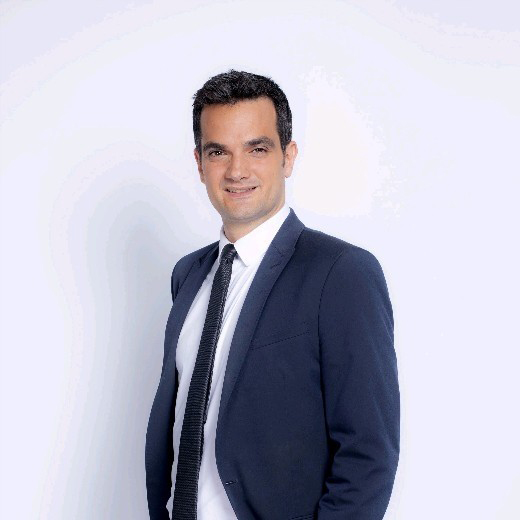
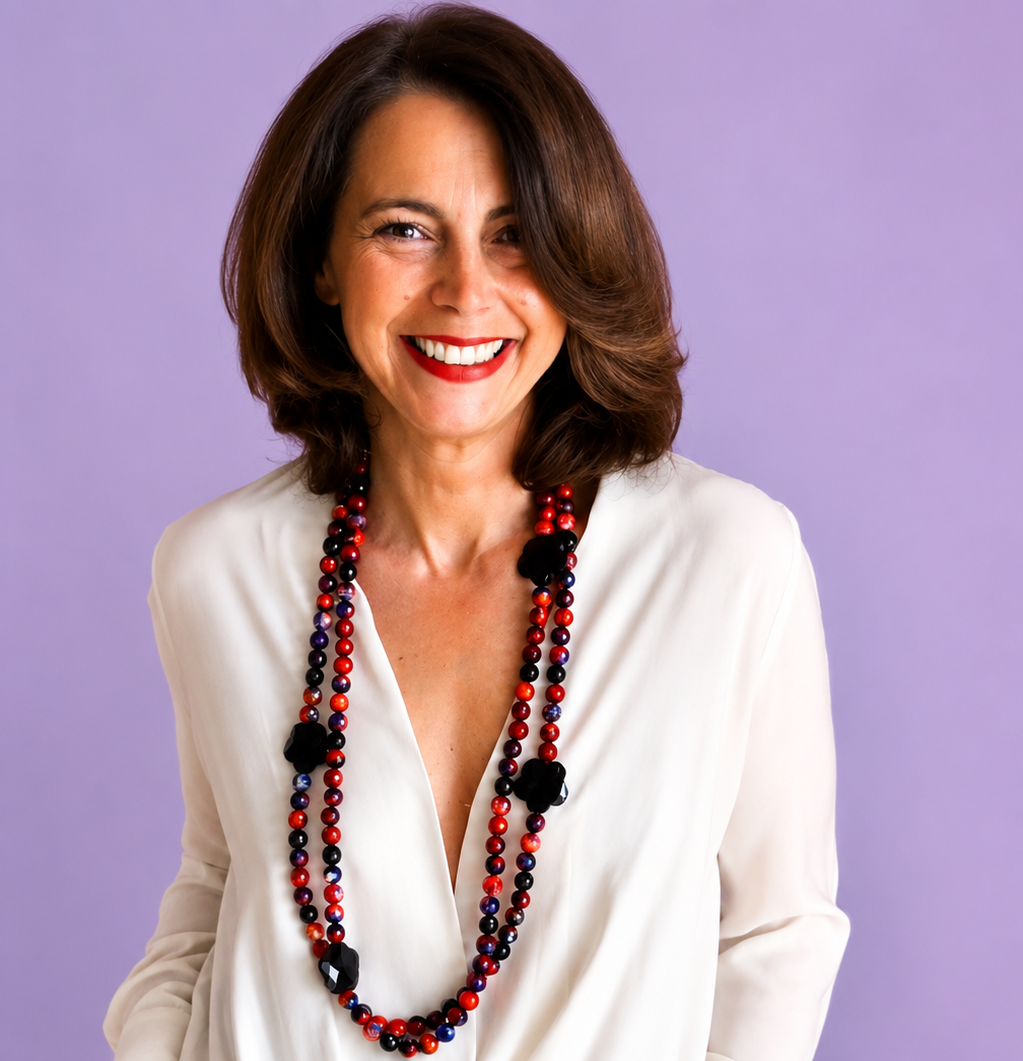
Valérie DUFAYET is a professor at Lycée Provence and at EJCAM, Aix-Marseille University (amU), where she teaches media training in the bachelor’s and master’s programs. She is also a lecturer and cultural engineering consultant through her organisation, Atelier Phil’Osons, offering personal and group philosophical consultations designed to unleash creativity and intellectual boldness. She works in bookstores, museums, media libraries, and companies, where she co-develops and facilitates workshops that foster social and intergenerational connections.
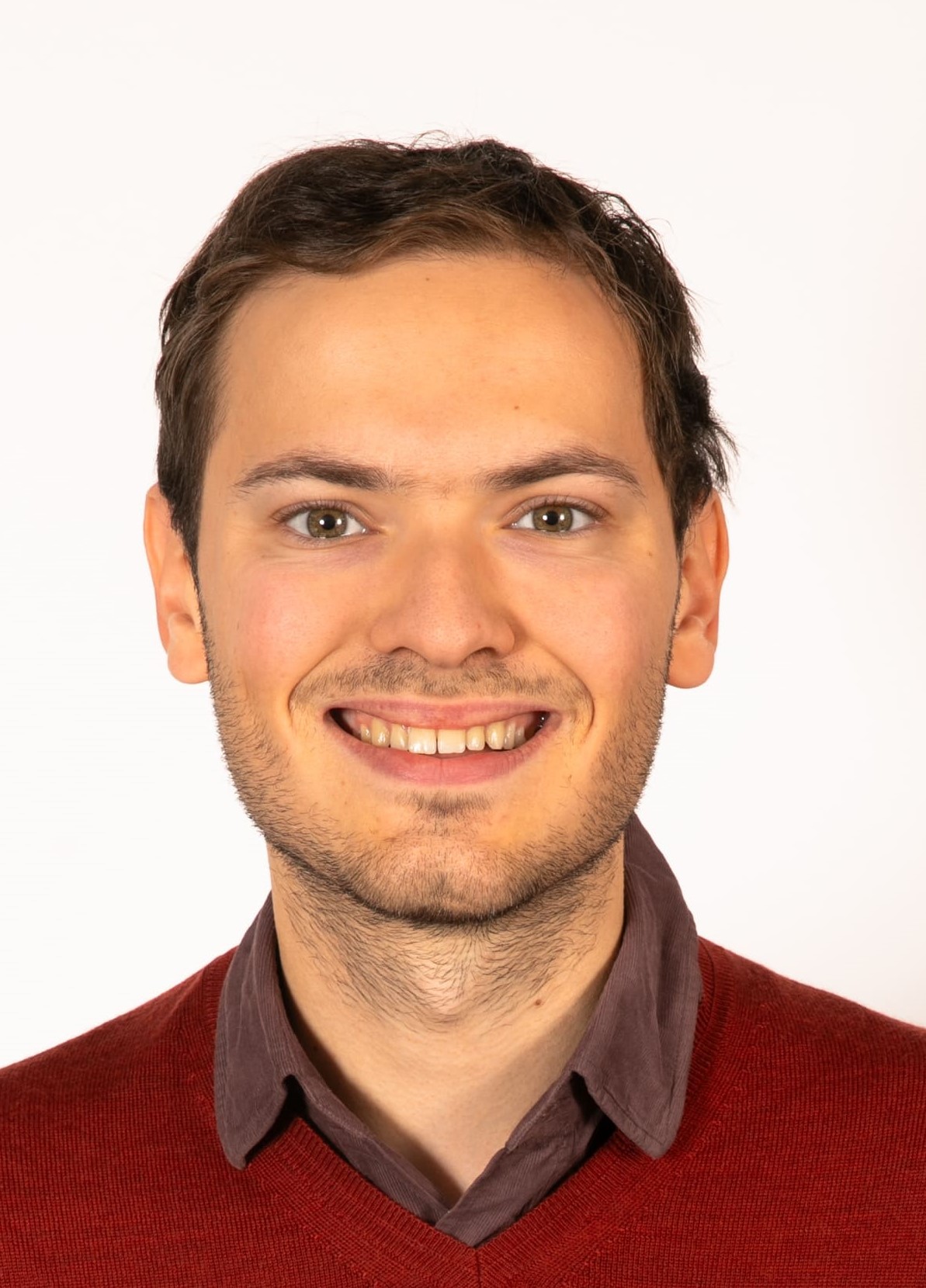
Lucas Dulermo is a contract doctoral student at IMSIC amU, under joint supervision with the GRIPIC-CELSA laboratory. His multidisciplinary background has gradually led him to specialise in the representations offered by audiovisual media, particularly cinema.
After three years in a literary preparatory class (CPGE) with a specialisation in film and audiovisual studies, he took a master's degree in media history at amU. During these two years, he gained experience in scientific mediation around the INA archives and the research archives at the MMSH (Maison méditerranéenne des sciences de l'homme).
Wishing to specialise further in audiovisual media and environmental issues, he joined EJCAM's Ecological Transitions Master's program in September 2024. This course offered him new opportunities for scientific valorisation by hosting a "Midi Sciences" at the IRD in Marseille, as well as through professional immersion at the Atelier de la langue française in Aix-en-Provence.
In June 2025, he defended a research dissertation, "When science fiction makes its transition: narratives and imaginaries of ecology and their Influences", which analysed science fiction films as tools for communicating environmental issues. This work serves as a preamble to his thesis, "When cinematic genres go green: narratives and imaginaries of the ecological transition and their influences", which will extend this approach to other cinematographic genres and their capacity to mediatise and raise awareness of the ecological transition. This research, directed by Céline Pascual-Espuny (EJCAM) and Pauline Escande-Gauquié (CELSA Sorbonne Université), will be based on analyses of filmic works and surveys of different audiences.
The courses he delivers at EJCAM focuses on dissertation methodology and information monitoring.
Thomas Bismuth
With a Master's degree in psychology and a DEA (Master 2) in criminal law, I went on to study journalism at the EJCM (now the EJCAM), graduating in 2000 with a Master 2.
From 2000 to 2002, I was a regional correspondent for i>Télé and Canal+. I then worked for almost 15 years as a senior reporter, covering both news and magazines.
In 2009, I joined TF1 as a senior reporter and magazine producer. In 2015, I was appointed deputy editor-in-chief of Grands Reportages and Reportages Découverte, before becoming editor-in-chief in 2020.
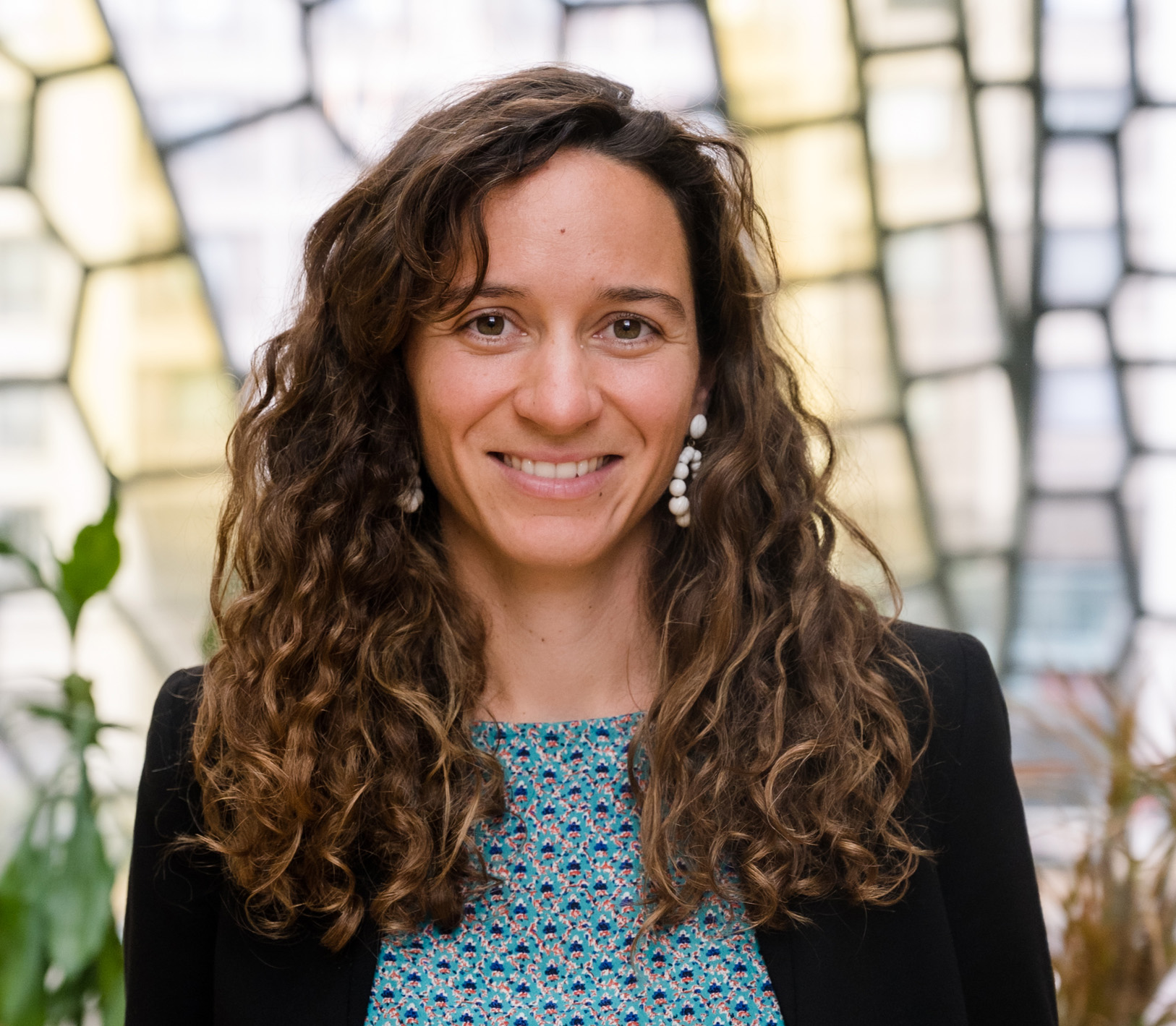
A graduate of Sciences Po Aix and with over ten years' experience in public relations, press relations and corporate communications, Célia Faure is currently head of the press, events and partnerships department of a professional federation.
A specialist in influence strategies, crisis communications, media monitoring and press relations, she has also developed skills in public speaking training and mediatraining.
Since 2024, she has been teaching the "Press Relations" module for Master 2 students at the Aix-Marseille School of Journalism and Communication (EJCAM).
I have been a journalist for several local publications in Marseille for the past 25 years, including Le Pavé, Marseille L'hebdo, the Marseille Bondy Blog, La Marseillaise, 20 minutes, and Le Ravi. For several years, I created illustrated reports for the satirical monthly Le Ravi until it closed. I was involved in the takeover of Marsactu in 2015, after joining this online-only publication in 2012. Since 2024, I have co-led the editorial team at Marsactu with Coralie Bonnefoy.
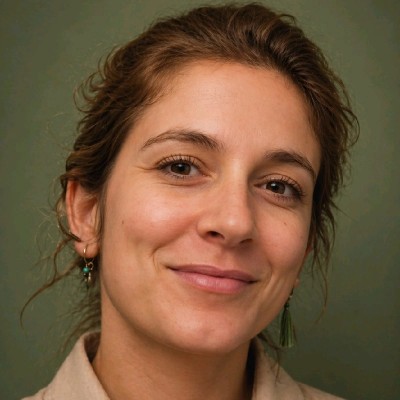
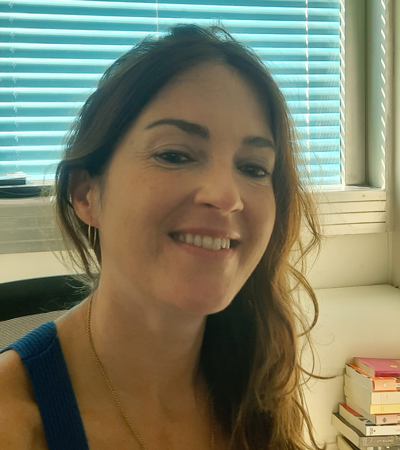
Géraldine Hallot is a senior reporter in the investigation unit of Radio France since November 2021. Previously, she was co-producer of the France Interception reporting program on France Inter. From 2009 to 2018, she was a reporter in France Inter's reporting department. She has been teaching radio at EJCAM since 2018.
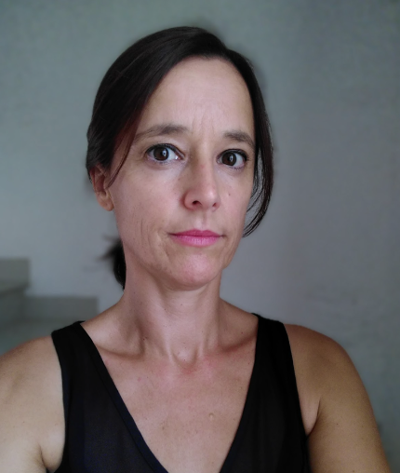
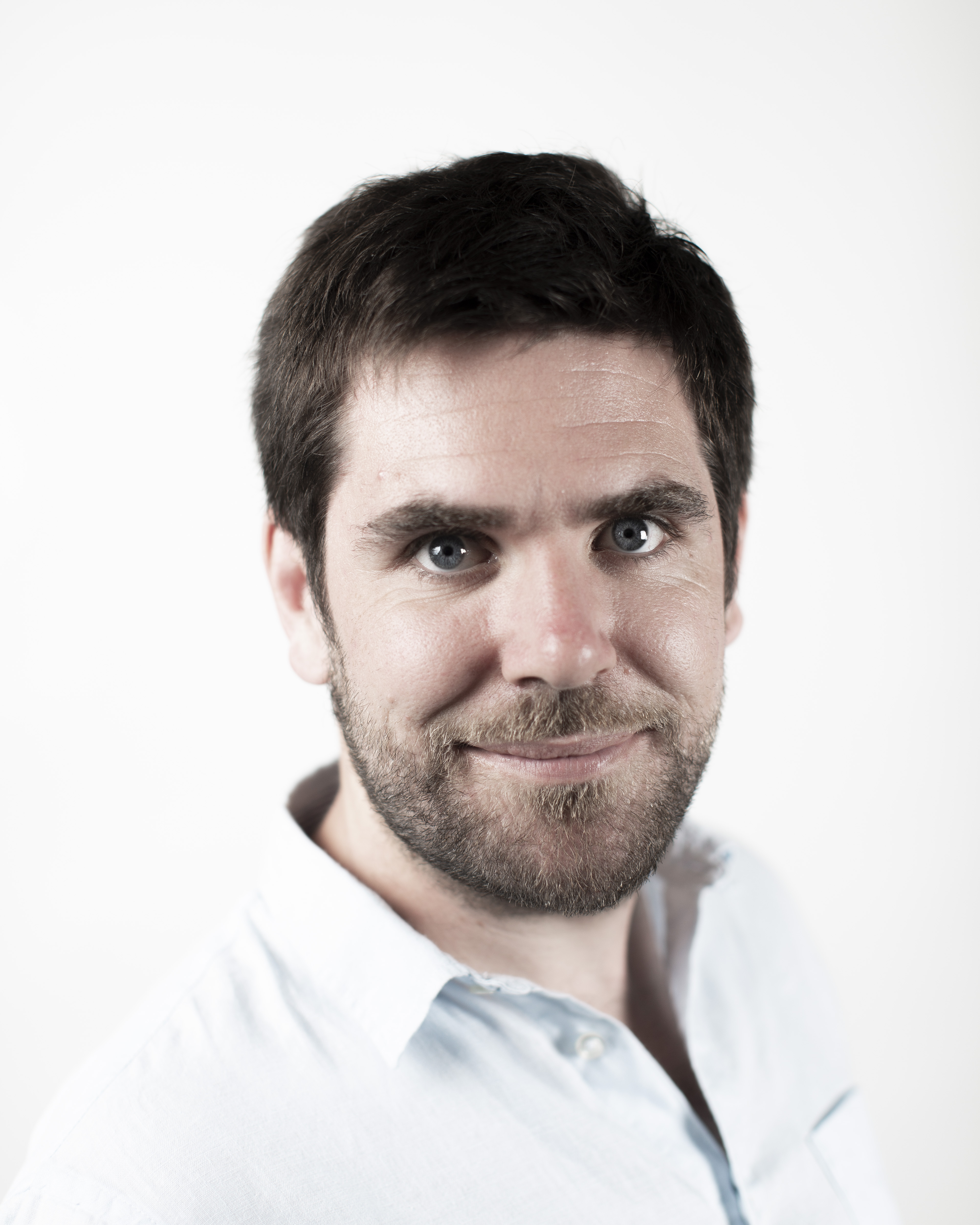

Roumeissa Kerboua is a doctoral student in information and communication sciences at Aix-Marseille University, affiliated with the IMSIC laboratory. She teaches undergraduate and graduate courses on information retrieval methods and tools, as well as on the definition of a communication plan. Her interdisciplinary research focuses on the analysis of forms of digital visibility, self-presentation practices and the dynamics of recognition on social networks, apprehended in socio-cultural contexts characterised by specific norms and constraints.
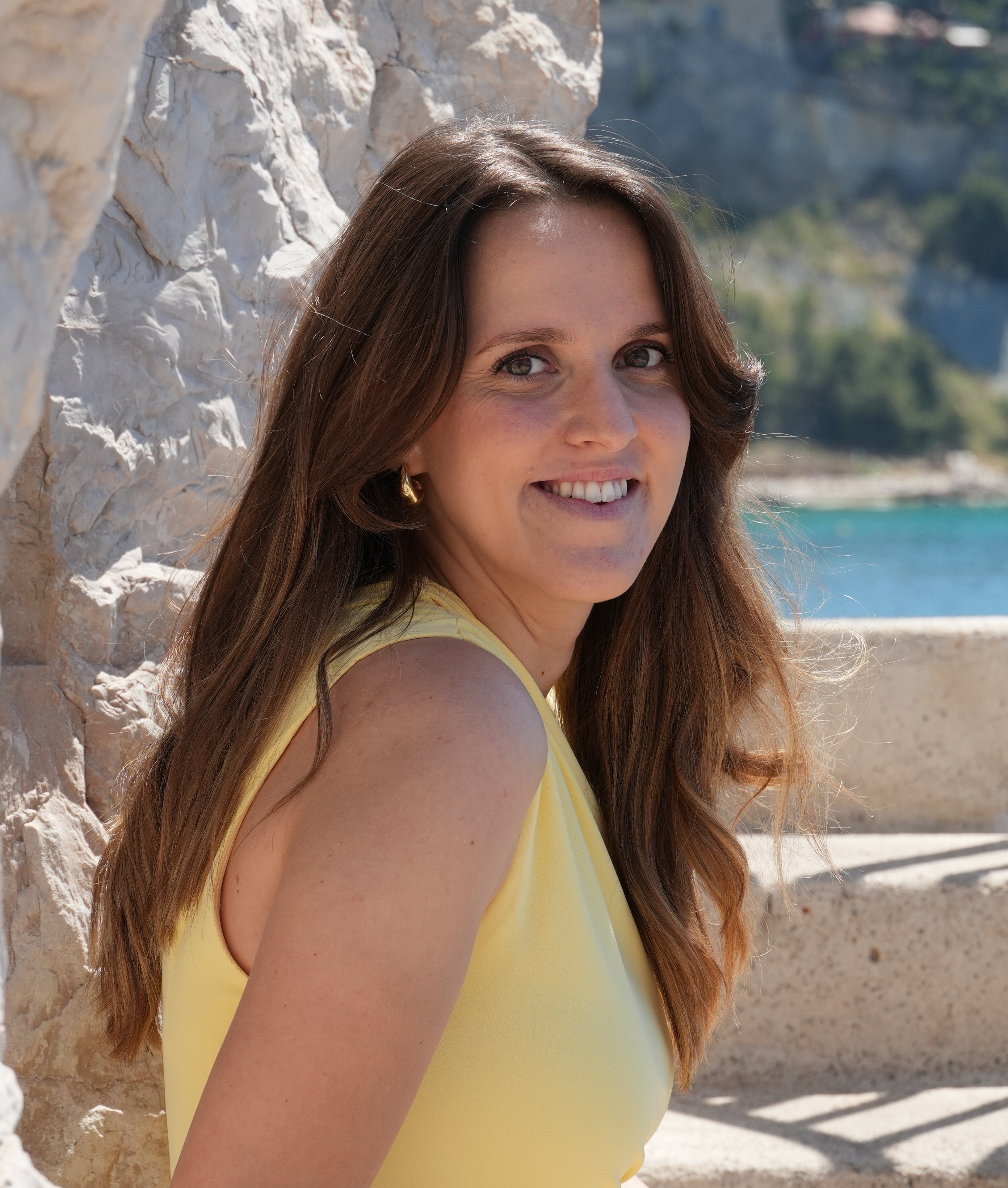
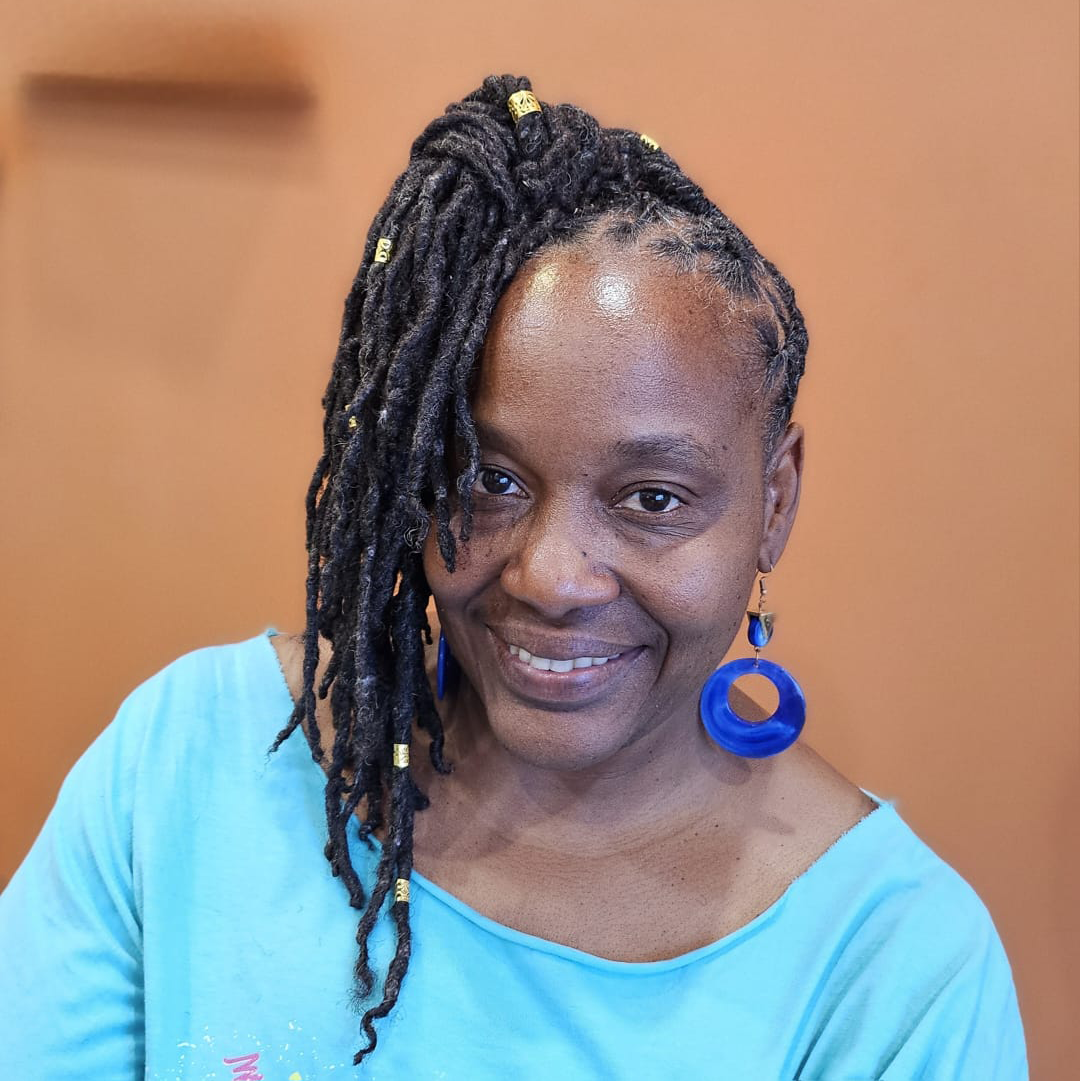
With a Ph.D. in Information, Communication and Documentation Sciences from the Université Paul-Valéry Montpellier 3, I defended my thesis entitled "Histoire et mutations communicationnelles des œuvres universitaires: du CSO aux CROUS". This work examines the social and day-to-day evolution of communication in the student environment, through a historical and communicational approach to the Crous.
As a researcher, my research falls within the fields of anthropology of communication, organisational communication, public, social, digital, intercultural and marketing, with a particular interest in the dynamics of public branding, social marketing and the transformations of communication devices in university institutions. I focus on understanding how communicative practices shape collective identities, social uses and representations in public and student spaces.
My current work focuses on the dynamics of extimacy through non-verbal communication, questioning how individuals voluntarily expose certain aspects of their intimacy in public, digital or institutional contexts, notably through bodily, gestural, clothing or spatial signs. This approach aims to understand how self-representation is elaborated outside verbal language, in a logic of identity and social mediation.
Alongside my research activities, I teach courses at EJCAM on community management in social networks, in connection with the contemporary challenges of digital and institutional communication.
I'm also head of the communication service of the Crous of Aix-Marseille Avignon and Vice-President of Communication - Promotion at the French Society of Information and Communication Sciences.
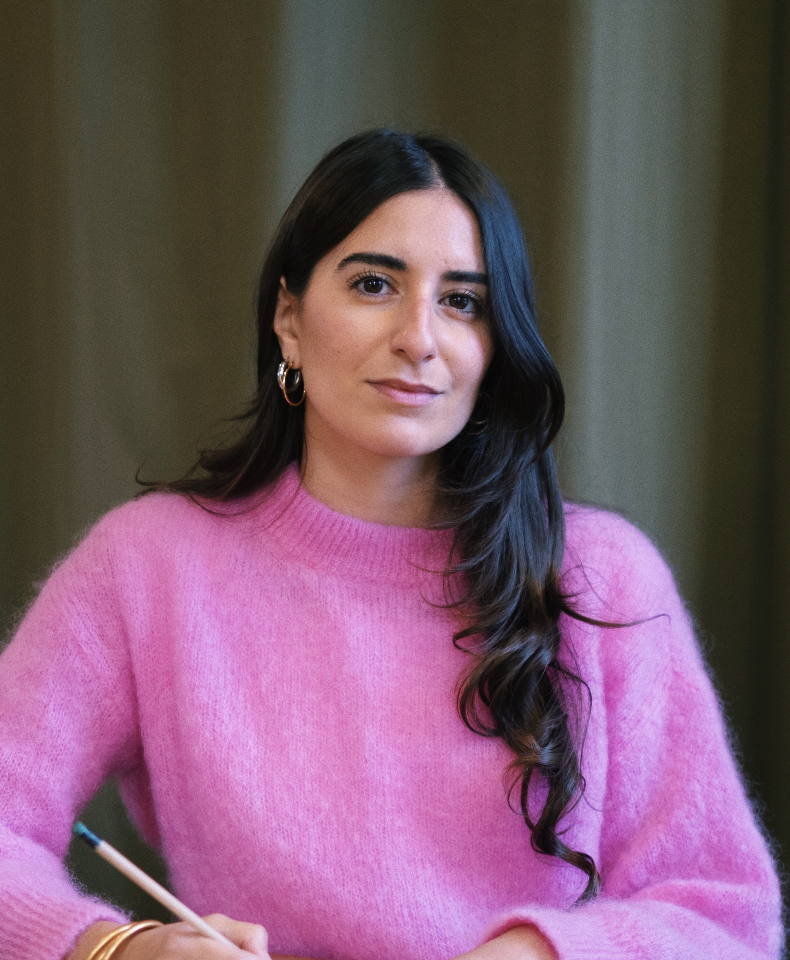
Hannah Médioni is an independent consultant in digital communication strategy, specialising in social media, digital trends, and content strategies.
She helps brands, companies, and entrepreneurs build their online visibility, with particular expertise in TikTok, Instagram, and new ways of using social media platforms.
As the author of the “HOT SHOT” newsletter, which focuses on social media trends and emerging brand strategies, she is interested in the evolution of communication in the age of algorithms, the attention economy, and the new relationships between brands, content creators, and communities.
Based in Marseille, she also speaks at higher education institutions and professional organisations on issues related to social media and digital usage.
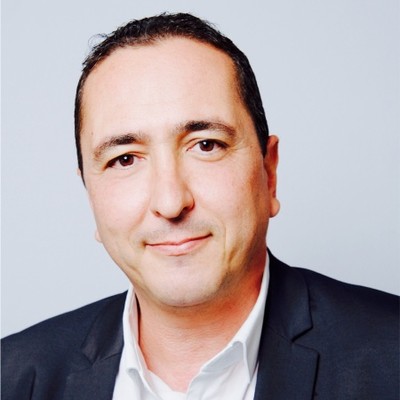
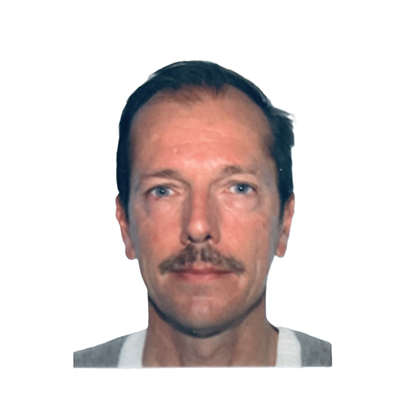
I've been BFMTV's Marseille correspondent since 2013. Field reporter for south-east France, both editor and JRI. A graduate of ESJ Lille, I started in the business in 2003. After 4 years as a radio freelancer (Radio France, RFI), I spent 2 years in London as a Producer for the American channel Bloomberg Television. In 2009, I returned to Paris to work for BFM Business, presenting a program on the markets, then presenting the news. I joined BFMTV in 2013 for 100% field missions.
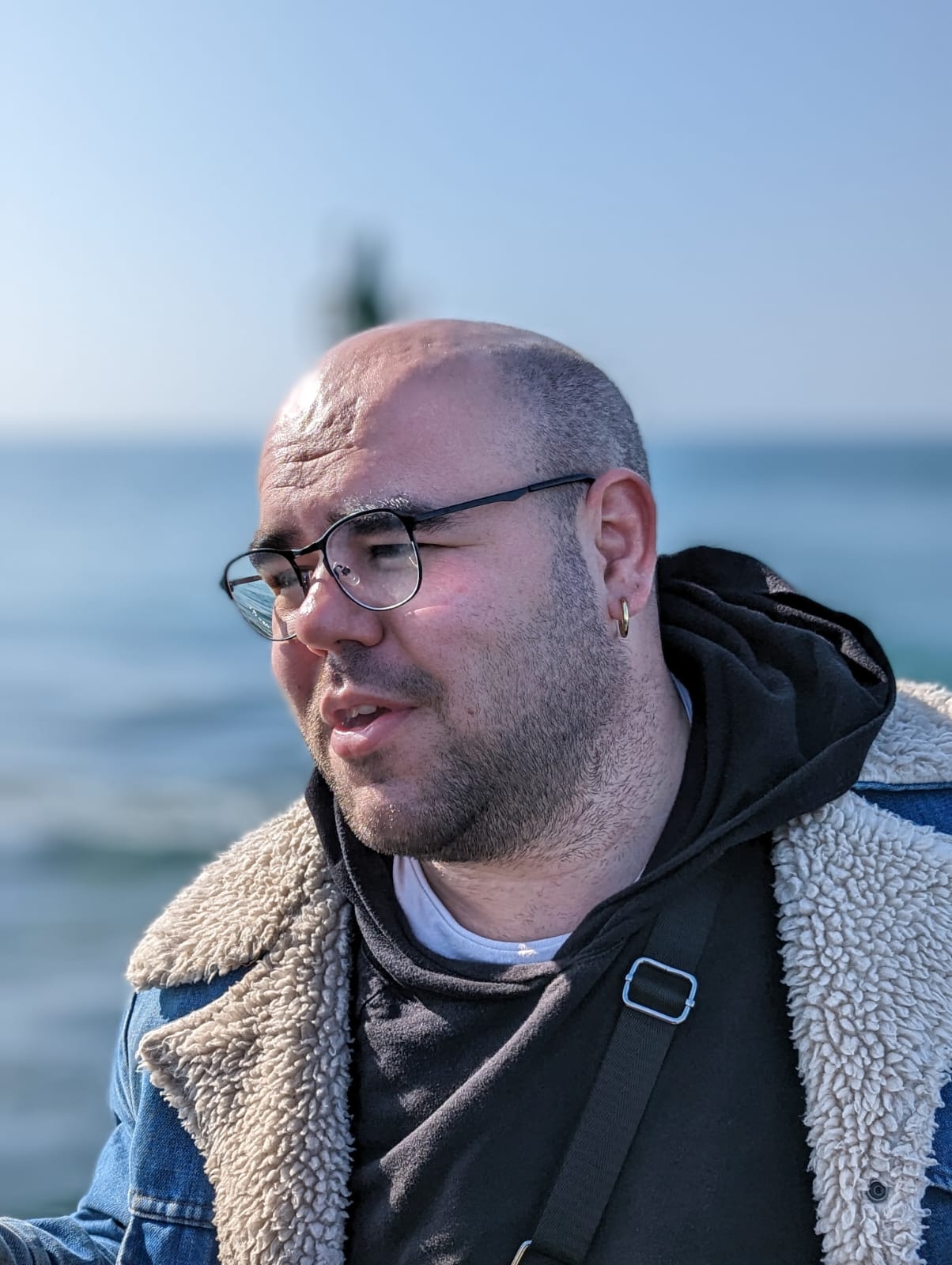
Clem Pouré is an investigative journalist. His investigations, regularly published by Mediapart, focus on technological surveillance, the world of work and, often, their interconnections. In 2025, he won the Pulitzer Center's AI Accountability Fellowship.
Photo credit Nathan Lautier
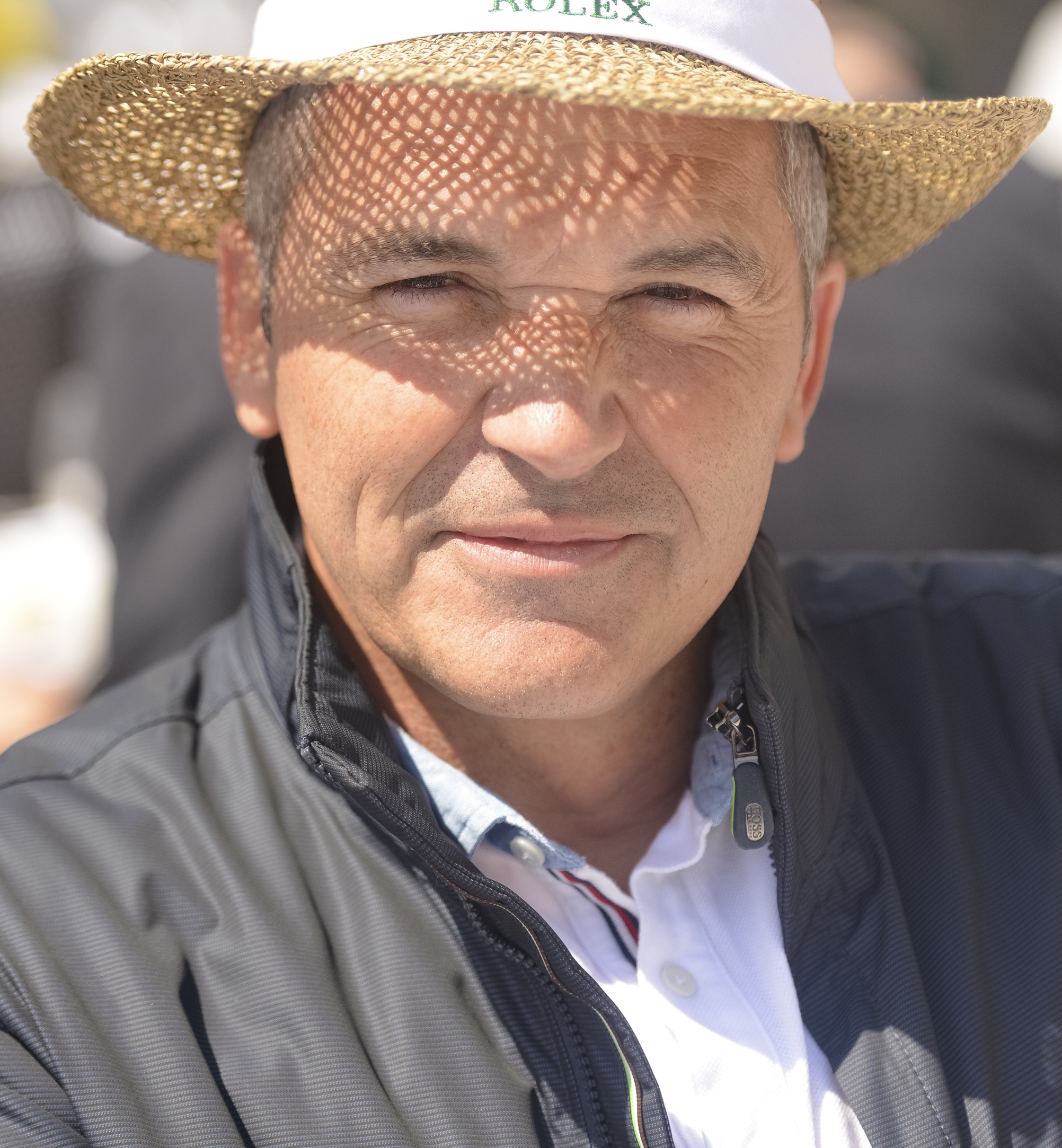
After graduating from Marseille's School of Journalism (EJCAM) in 1989, I spent part of my career in the regional press (Group Nice-Matin), then as director of cabinet and communications for elected officials in the PACA region. At the same time, I pursued activities as a freelance journalist, event organiser, media trainer and consultant. Every year, I teach a course on lobbying at EJCAM, a fascinating and constantly evolving subject!

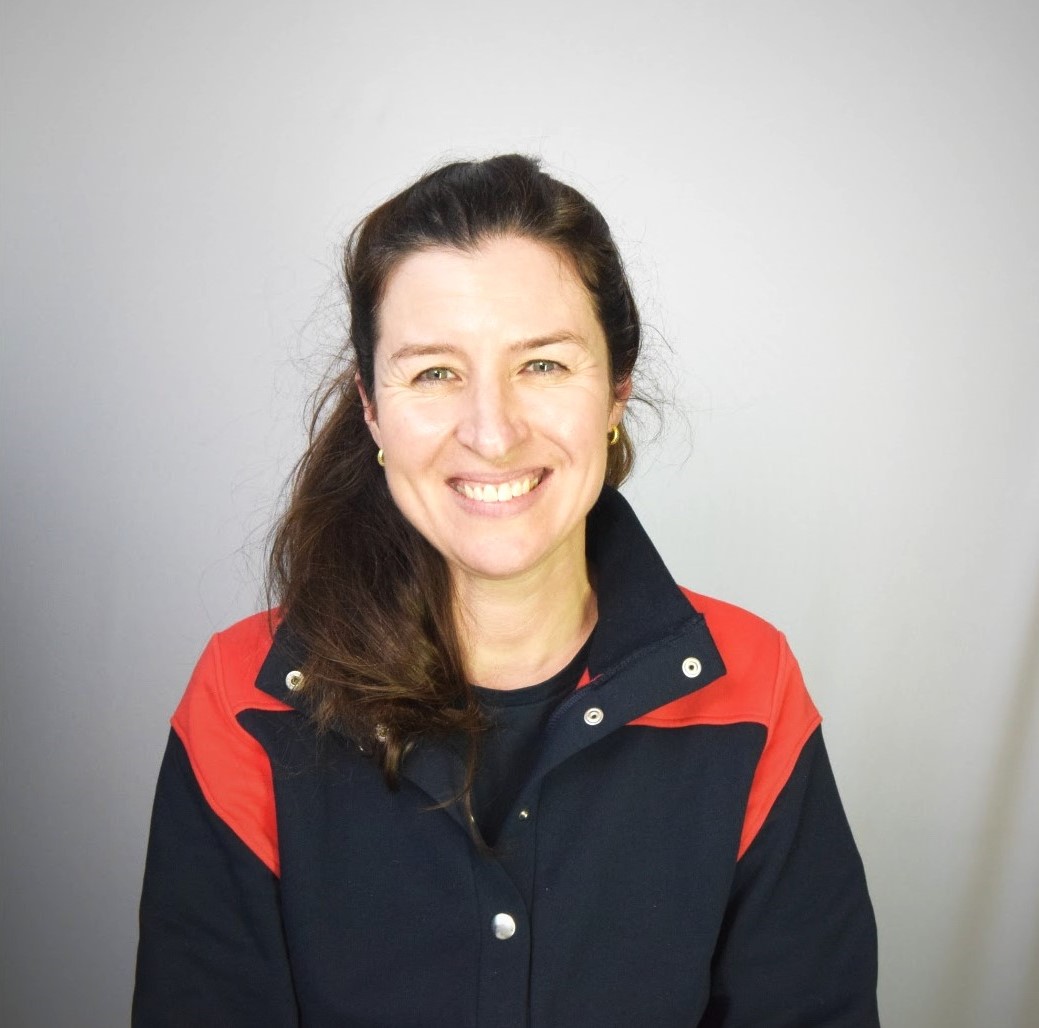
Journalist at Nouvel Obs since May 2011, in the Investigations department since September 2018, I've been working on justice and police issues for over ten years. A graduate of the EJCM and member of the Association de la Presse Judiciaire, I work in particular on sexual and gender-based violence and unsolved criminal cases. From September to December 2024, I covered the Mazan rape trial in Avignon for Le Nouvel Obs. Published in August 2023 on the front page of Le Nouvel Obs, my investigation into the preponderance of female victims in "cold cases" won an award from the Club de la Presse in Reims.
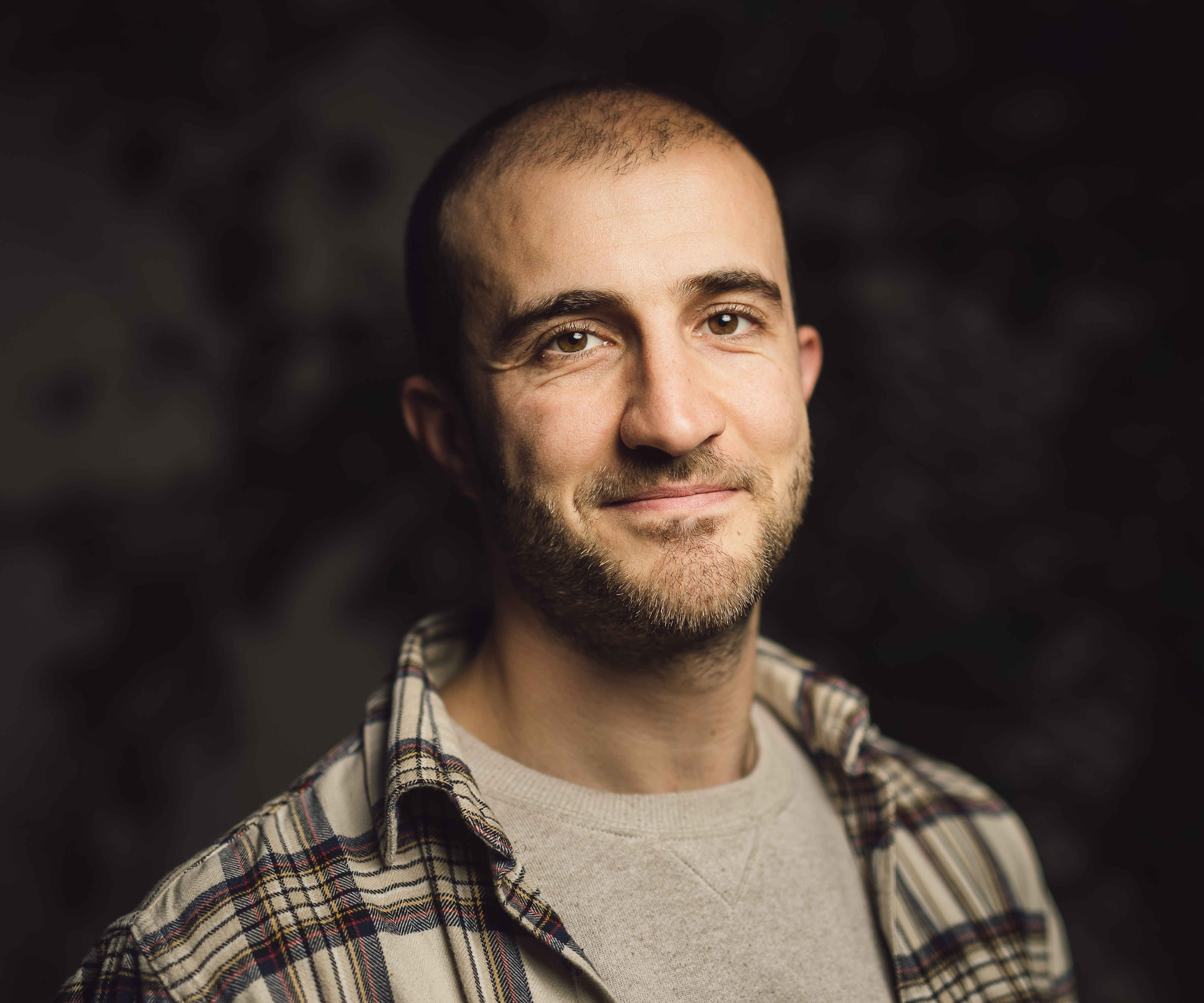
A freelance journalist, videographer and author based in Marseille, Marius is a member of the Presse-Papiers collective. He works for the French press (Mediapart, XXI, Le Monde, Libération, Reporterre, Marsactu, etc.), produces radio reports, and writes comic strip scripts and documentaries. He is the creator of the Blockbuster Littérature Youtube channel.
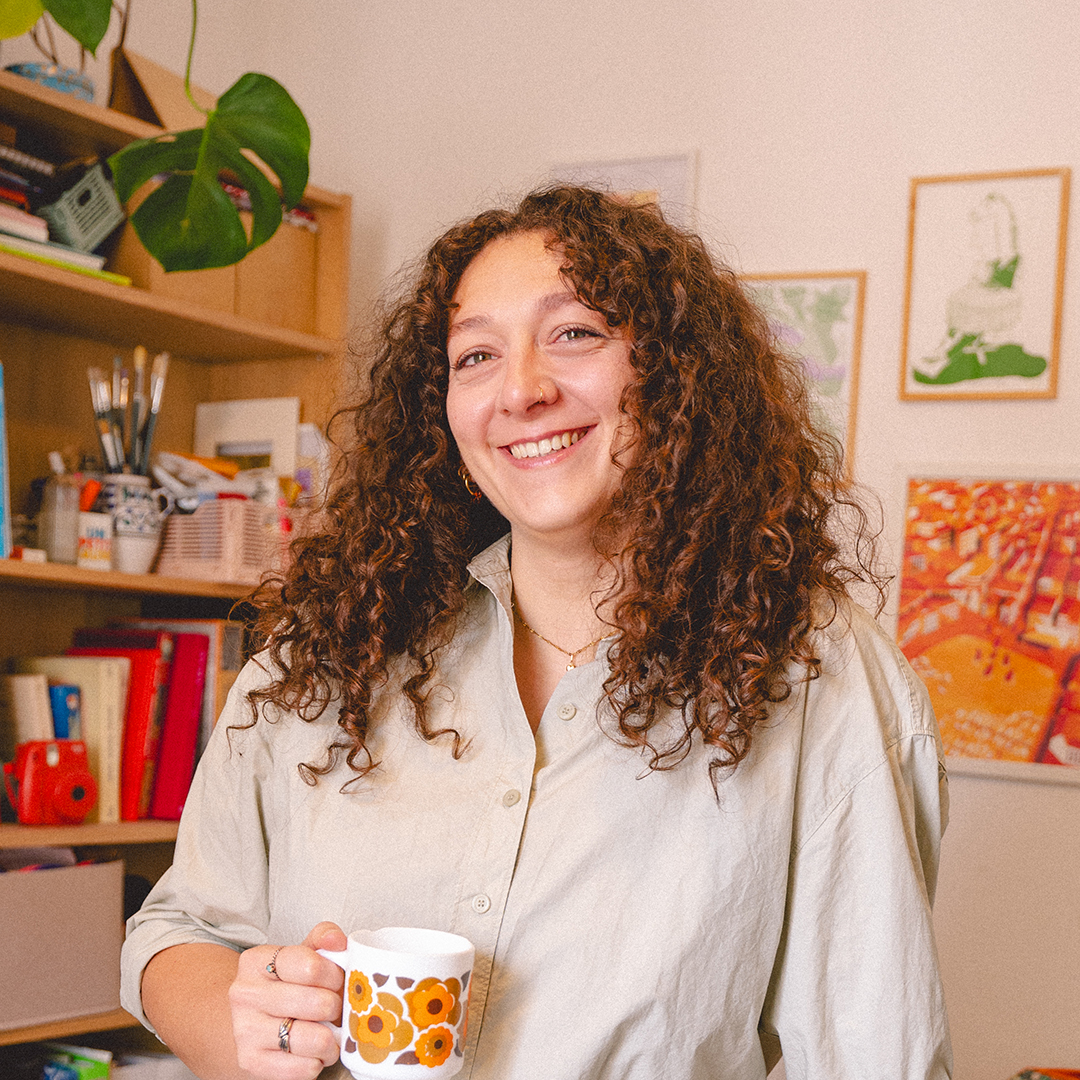
Clara has been working for several years on a freelance basis for companies and associations such as Pernod Ricard, Clean My Calanques, Cagole Nomade, Les Mains de Mamie... Her multi-disciplinary skills make her a complete communications service provider, from strategic vision to graphic production and video shooting and editing.
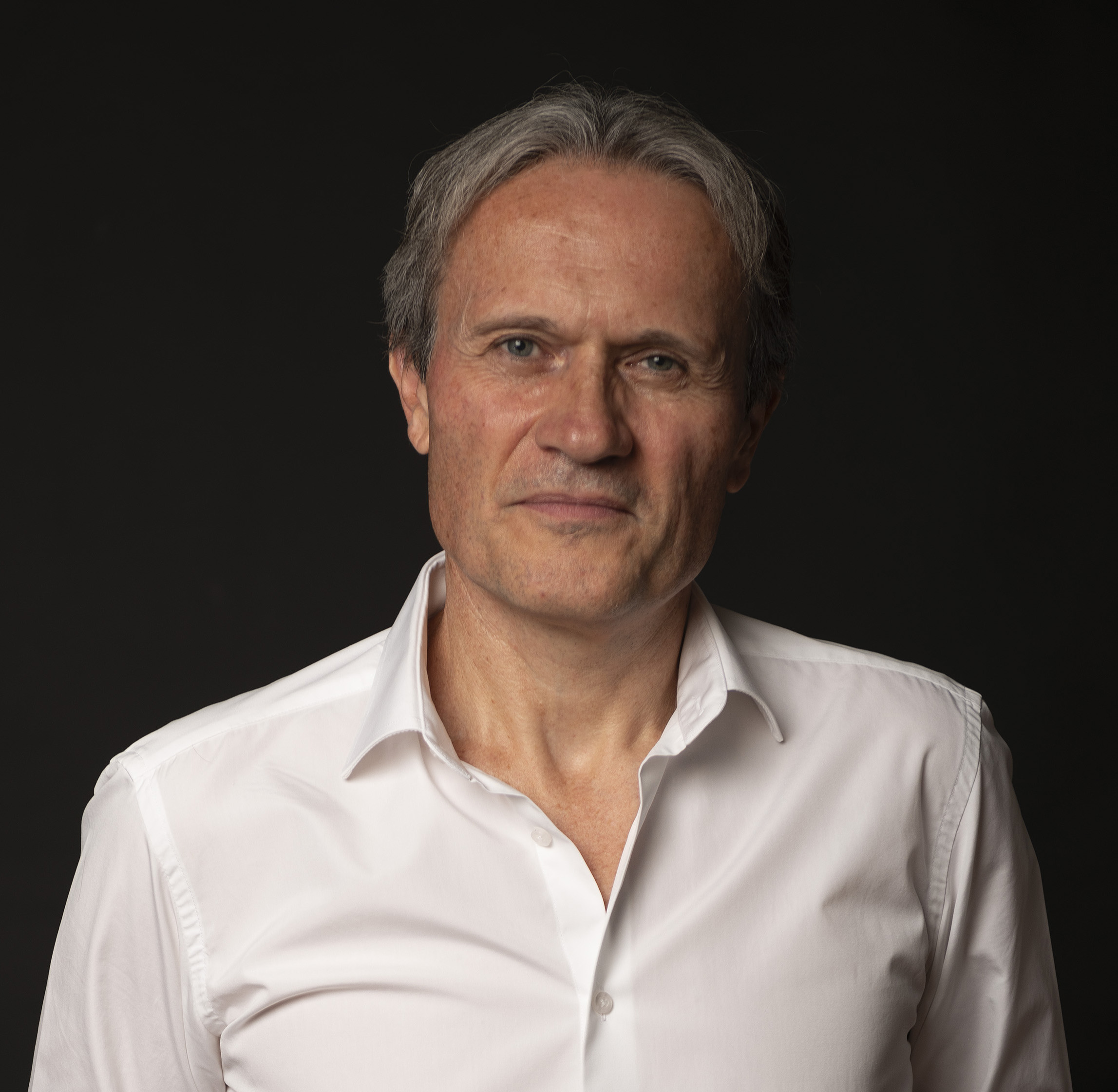
Philippe Schmit is a written press journalist. He graduated top of his class at EJCAM and holds a master's degree in philosophy. He headed the editorial staff of the daily newspaper La Provence. A specialist in health and social issues, he is editor-in-chief of the digital media MProvence and president of the communications company Chouette Média. He has been teaching at EJCAM since 2008.
In partnership with regional hospitals and doctors, he organises campaigns to raise awareness of major public health issues - prostate, lung, colon and cardiovascular cancers, organ donation. In 2022, he founded the M24 Sport Santé association, which promotes physical activity and sport among children, and which already brings together 30 schools and 15,000 children and teenagers.
Félix Tréguer is a research associate at the CNRS Centre Internet et Société and a member of La Quadrature du Net, an association dedicated to defending human rights due to the computerisation process. His interdisciplinary research focuses on the political history of the Internet and information technology, practices of power such as censorship and surveillance, and algorithmic government in the public sphere. He is the author of Contre-histoire d'Internet: du XVe siècle à nos jours (Agone) and Technopolice: La surveillance policière à l'ère de l'intelligence artificielle (Divergences, 2024).